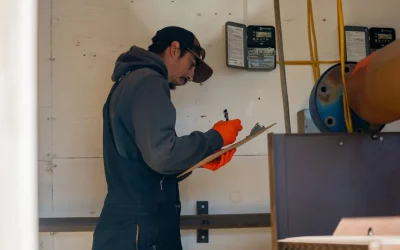
Access to clean and safe water is critical for maintaining healthy communities, especially in regions where groundwater is a primary resource. In many areas throughout Oklahoma, residents rely heavily on underground aquifers for drinking water, irrigation, and everyday needs. As concerns about water quality and contamination grow, understanding the importance of groundwater treatment in Oklahoma becomes essential for both public health and sustainable water management.
Why Groundwater Requires Treatment in Oklahoma
Oklahoma’s geology and land use present unique challenges for groundwater quality. Agricultural activities, industrial waste, aging infrastructure, and naturally occurring minerals can all contribute to groundwater contamination. Common pollutants in Oklahoma’s groundwater include:
• Nitrates from fertilizers
• Pesticides and herbicides
• Heavy metals such as arsenic and lead
• Volatile organic compounds (VOCs)
• Pathogenic bacteria and viruses
Without proper treatment, these contaminants can pose serious health risks, including gastrointestinal illnesses, developmental problems in children, and increased cancer risk. Addressing these issues through effective groundwater treatment solutions is vital for safeguarding public health.
Key Methods Used in Groundwater Treatment
Modern groundwater treatment in Oklahoma utilizes a combination of advanced technologies and proven methods to ensure water safety. Some of the most effective approaches include:
1. Filtration Systems
Filtration is often the first line of defense, removing particulates and sediments from water. Advanced filters can capture microorganisms and certain chemicals, improving both taste and safety.
2. Chemical Treatment
Disinfection with chlorine or ultraviolet (UV) light is used to eliminate bacteria and viruses. Additionally, chemical oxidation processes can break down hazardous organic compounds, rendering them harmless.
3. Activated Carbon Treatment
Activated carbon is highly effective at absorbing organic contaminants, pesticides, and some heavy metals. This method is commonly used in both municipal and private groundwater systems.
4. Reverse Osmosis
This technique uses a semipermeable membrane to remove a wide range of contaminants, including dissolved salts, heavy metals, and other impurities. Reverse osmosis is particularly useful in areas with high mineral content or salt intrusion.
Benefits of Safe Groundwater Treatment
Implementing robust groundwater treatment in Oklahoma offers several significant advantages:
• Health Protection: By removing dangerous pollutants, treatment systems reduce the risk of disease and chronic health conditions.
• Reliable Water Supply: Clean groundwater ensures a steady and dependable source for communities, agriculture, and industry.
• Environmental Stewardship: Proper treatment helps prevent further contamination of water sources and supports long-term sustainability.
• Regulatory Compliance: Treatment ensures that water meets or exceeds federal and state safety standards.
Supporting Safe Water Solutions for Oklahoma’s Future
As Oklahoma continues to grow, the demand for safe and sustainable water solutions increases. Effective groundwater treatment not only addresses current contamination concerns but also provides a foundation for future generations to access clean water. Public awareness, regular water quality testing, and the adoption of advanced treatment technologies all play a role in maintaining water security across the state.
Ensuring the health and safety of communities starts with a commitment to clean water. Homeowners, local governments, and businesses can all contribute by staying informed and supporting the implementation of proven groundwater treatment practices. To learn more about safeguarding your water supply and the latest treatment options, consider reaching out to local experts or visiting reputable resources on groundwater solutions. Take action today to protect your health and ensure safe water for your community by learning more about groundwater treatment options in Oklahoma.