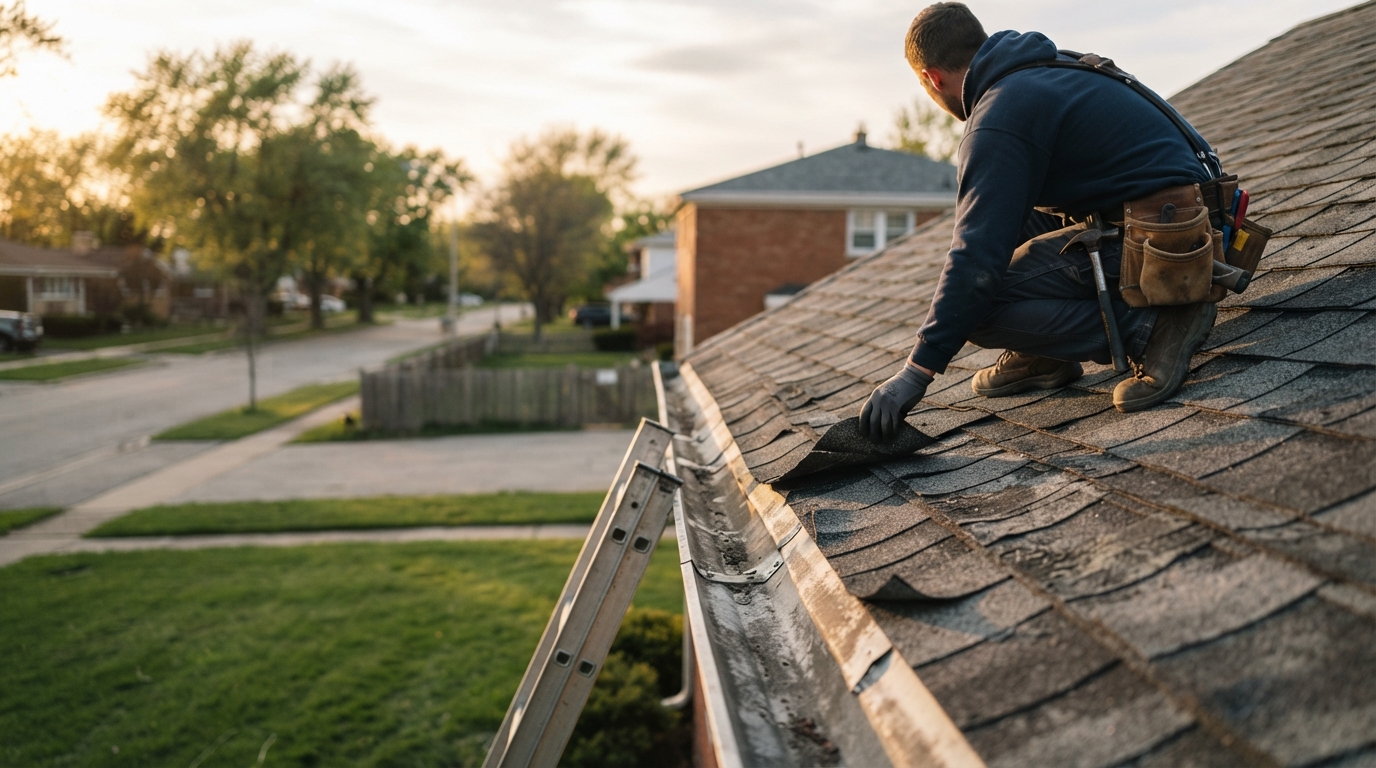
The gist:
- Missing shingles, granule loss, and water stains on ceilings are the clearest signs a roof needs professional attention.
- West Michigan’s freeze-thaw winters and heavy spring rain accelerate roof wear, making early inspection critical.
- A licensed roofer Grand In Rapids MI can identify hidden damage before it turns into a costly interior repair.
A roof rarely fails all at once. It sends warning signs first, and knowing what to look for can save a homeowner thousands of dollars in water damage, mold remediation, and structural repair.
Catching those signs early matters even more in a climate like Grand Rapids, where freeze-thaw cycles and heavy seasonal rain put extra stress on shingles, flashing, and underlayment. Homeowners who wait until a leak appears indoors have often already lost months of protective roofing life. Working with a qualified roofer Grand In Rapids MI at the first sign of trouble is the most reliable way to catch problems while they’re still minor and affordable to fix.
Visible Exterior Signs of Roof Damage
Most roof problems show up outside long before they show up inside the house. A simple walk around the property, or a look with binoculars from the ground, can reveal a lot.
- Missing or curling shingles : Shingles that lift, curl at the edges, or are missing entirely leave the roof deck exposed to moisture.
- Granule loss : Bald patches on asphalt shingles, or granules collecting in gutters, signal the shingles are past their protective lifespan.
- Sagging rooflines : A dip or sag anywhere on the roof plane can point to structural deck damage underneath.
- Damaged flashing : Cracked or rusted flashing around chimneys, vents, and skylights is a common leak entry point.
- Moss or algae growth : Persistent dark streaks or moss patches trap moisture against the roofing material and shorten its lifespan.
Any one of these signs on its own may not mean an emergency, but two or more together usually point to a roof that needs a professional evaluation soon.
Interior Clues That Point to Roof Trouble
Not every warning sign is visible from the ground. Some of the most telling clues show up inside the attic or on ceilings and walls.
- Water stains or discoloration on ceilings, especially after rain, often trace back to a roof leak rather than plumbing.
- Peeling paint or bubbling drywall near the roofline can indicate slow, ongoing moisture intrusion.
- Daylight visible through the attic roof boards is a direct sign the roof deck has gaps or damage.
- Musty odors in the attic frequently signal trapped moisture and early mold growth.
According to the U.S. Department of Housing and Urban Development’s healthy homes guidance, unresolved moisture intrusion in a home’s structure is a leading contributor to indoor mold and air quality problems. That guidance underscores why interior water stains should never be dismissed as cosmetic. Catching these signs during a seasonal attic check, ideally in spring and fall, gives homeowners a head start before winter ice or summer storms make small leaks worse.
Why Local Weather Makes Roof Timing Critical
West Michigan roofs face a specific combination of stressors that push wear faster than in milder climates.
|
Weather Factor |
Effect on Roofing |
Recommended Response |
|
Freeze-thaw cycles |
Cracks shingles and expands trapped moisture |
Fall inspection before first freeze |
|
Heavy spring rain |
Tests flashing and seals for leaks |
Post-winter roof check |
|
Lake-effect snow load |
Adds weight stress on aging decks |
Monitor for sagging after storms |
|
Summer UV exposure |
Dries and brittles shingle surfaces |
Watch for granule loss and curling |
This pattern means a roof inspection schedule built around one season, or done only after damage appears, often misses problems until they’ve already spread. Two checks a year, paired with a look right after any major storm, is a more realistic approach for the region.
When to Call a Professional Roofer
Some warning signs justify an immediate call rather than a wait-and-see approach.
1. Active leaks or water dripping into living spaces
2. Visible sagging anywhere on the roofline
3. Storm damage from hail, high wind, or fallen branches
4. Shingle loss covering more than a small, isolated area
5. Roof age approaching or past its expected lifespan
A trained eye can often spot the difference between a minor repair and a sign of deeper deck or structural damage, which is difficult to judge accurately from the ground.
Homeowners noticing any of these signs don’t need to guess at the severity or cost. Window World of West Michigan, found here on Google, offers roofing inspection and repair services for homes throughout the Grand Rapids area, helping homeowners address problems before they turn into larger, more expensive repairs.
Frequently Asked Questions
How often should a roof be inspected in Grand Rapids? Twice a year is a practical baseline, once in spring after winter thaw and once in fall before freezing temperatures return, along with a check after any major storm.
Can a homeowner spot roof damage without climbing on the roof? Yes. Binoculars from the ground, an attic walkthrough, and checking ceilings for stains can reveal most major warning signs without the safety risk of climbing.
Is a small roof leak urgent? Small leaks can quickly worsen, especially with freeze-thaw cycles, so even minor leaks are worth having assessed rather than monitored indefinitely.
What is the average lifespan of an asphalt shingle roof? Lifespan varies by material quality, installation, and climate exposure, so a professional assessment is the most accurate way to judge remaining roof life on a specific home.
Recognizing these warning signs early gives homeowners the power to act before a small issue becomes a major repair bill. A prompt inspection, paired with attention to the seasonal patterns unique to West Michigan, is the most effective way to protect a home’s roof and everything beneath it.