Quick take:
- Helena homes rely on wells or municipal supply, and the right filtration system depends on what’s actually in your water, not guesswork.
- A certified water test should always come before buying a softener, reverse osmosis unit, or UV system.
- Common Helena-area issues include hard water, sediment, iron, and naturally occurring minerals that require different treatment approaches.
Choosing a water filtration system starts with testing your water, then matching equipment to the specific contaminants or hardness levels found in that test. There is no single system that fixes every water quality issue, so the right choice depends on whether you’re on a private well or municipal service in the Helena area.
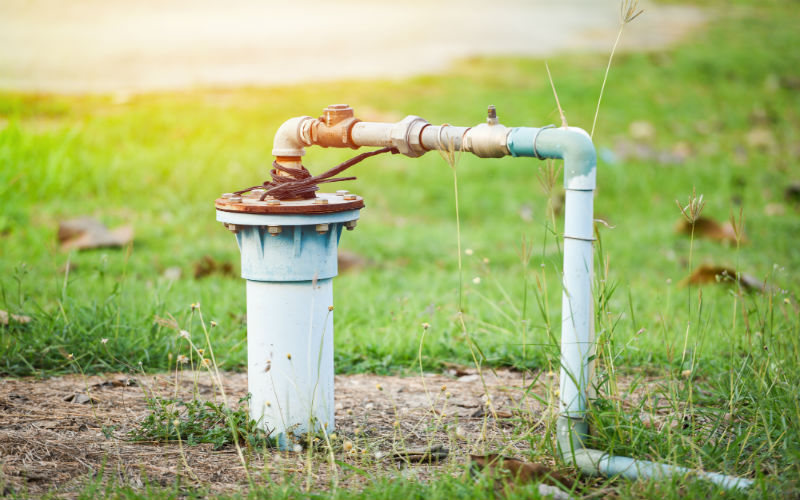
Montana households on private wells face different water chemistry than those connected to the city system. If you’re trying to sort through softeners, filters, and purification options, Water Filtration in Helena, MT solutions typically start with a water test that identifies hardness, sediment, iron, or other minerals specific to your property’s water source.
Why Water Testing Comes Before Equipment
Guessing at a filtration system without testing is one of the most common and costly mistakes homeowners make. Montana’s geology varies widely between neighborhoods, so two homes a mile apart can have very different water chemistry.
A basic water test typically checks for:
- Hardness (calcium and magnesium minerals)
- Iron and manganese staining
- Sediment and turbidity
- Odor-causing compounds like sulfur
- pH balance
Private well owners carry extra responsibility here. Unlike municipal systems, the CDC notes that well owners are responsible for testing their own water since federal drinking water rules do not apply to privately owned wells. The agency recommends testing for nitrates at least annually, since contamination often has no taste, smell, or visible sign.
Matching the System to the Problem
Different water issues call for different equipment. A softener fixes hardness but does nothing for bacteria, while a carbon filter removes odor but not dissolved minerals. Matching the right technology to the test results is where most of the value happens.
| Water Issue | Common Treatment | What It Addresses |
| Hard water (calcium, magnesium) | Water softener | Scale buildup, soap inefficiency, appliance wear |
| Iron, manganese, sediment | Whole-home filtration | Staining, cloudy water, odor |
| Dissolved contaminants, bad taste | Reverse osmosis | Nitrates, arsenic, lead, fluoride at the tap |
| Bacteria, viruses, pathogens | UV disinfection | Microbial contamination without chemicals |
Whole-Home Filtration vs. Point-of-Use Systems
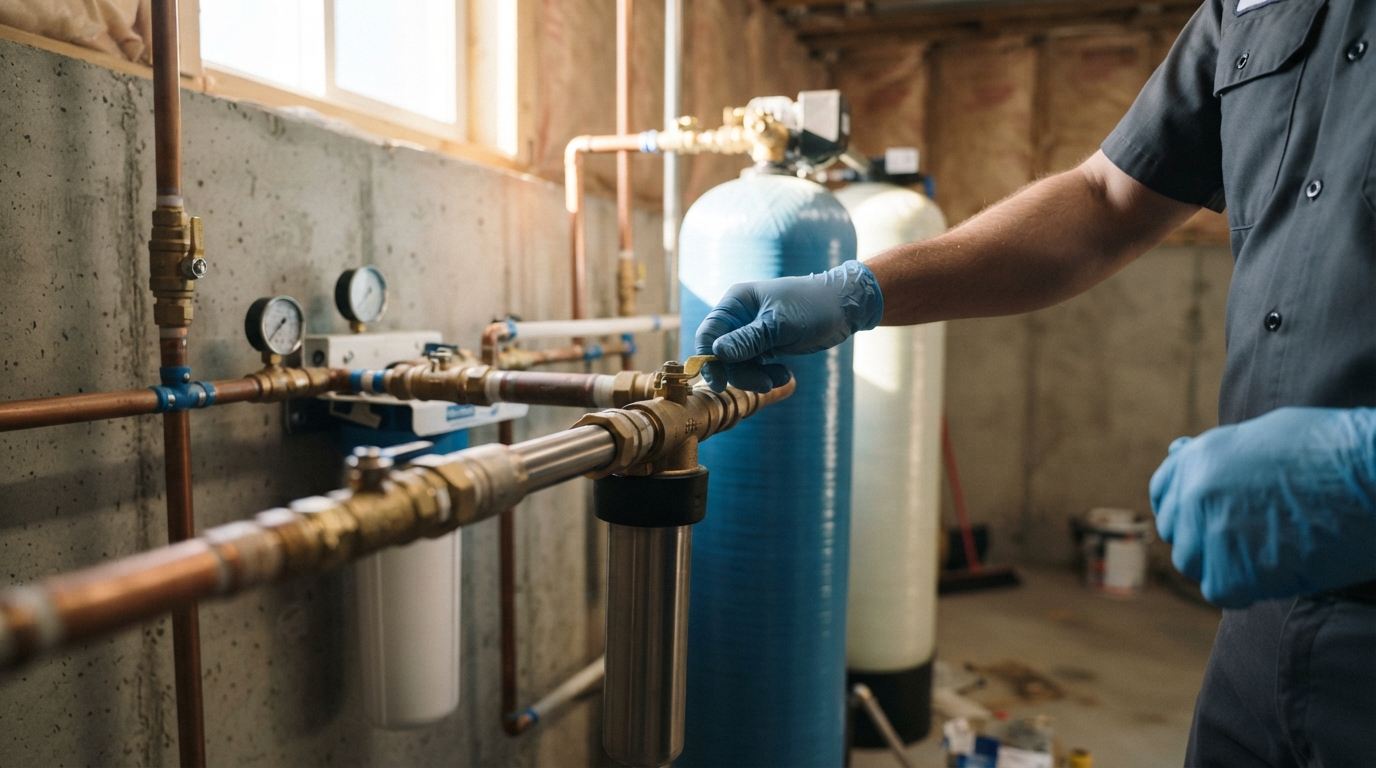
Whole-home systems treat water as it enters the house, covering every tap, shower, and appliance. Point-of-use systems, like a reverse osmosis unit under the kitchen sink, target drinking and cooking water only and are often paired with a whole-home filter for complete coverage.
When Reverse Osmosis Makes Sense
Reverse osmosis is typically recommended when a water test shows elevated levels of dissolved contaminants such as nitrates, arsenic, or fluoride. It works at the point of use, so it’s a practical add-on rather than a replacement for whole-home filtration when sediment or hardness is also present.
Signs Your Current System Needs an Upgrade
Some signals suggest existing filtration is falling short:
- Scale buildup on fixtures or inside appliances
- Rust-colored staining in sinks or tubs
- A noticeable change in taste, smell, or clarity
- Reduced water pressure from clogged filters or scaled pipes
- A water test showing new or elevated contaminant levels since the last check
Any of these warrant a retest before assuming the current setup is still adequate.
Frequently Asked Questions
How often should Helena homeowners test their water? Annual testing is the general recommendation, especially for coliform bacteria, nitrates, and total dissolved solids, with additional screening if local conditions change or after flooding events.
Does a water softener remove contaminants like arsenic or nitrates? No. Softeners address hardness minerals only; dissolved contaminants typically require reverse osmosis or specialized filtration media.
Can one system handle both hard water and bad-tasting water? Often yes, but it usually requires combining technologies, such as a softener paired with a carbon filter or reverse osmosis unit, rather than relying on a single device.
Is filtration necessary if my water looks clear? Clear water can still contain odorless, invisible contaminants, which is why testing rather than appearance should guide any filtration decision.
A water test remains the most reliable starting point for any Helena homeowner weighing filtration options, since it replaces guesswork with actual data about hardness, sediment, or dissolved minerals in the water supply. Local provider Western Water Wells works with Helena-area households to test water and match equipment to the results identified during that process.