Takeaway:
- A champagne lab-grown engagement ring pairs a warm-toned diamond with a sustainable, lab-created origin, offering a distinctive color at a lower cost than natural fancy-color stones.
- Focus on cut, setting metal, and certification when comparing options, since these factors affect how the champagne hue reads in daily light.
- Lab-grown diamonds are chemically identical to mined diamonds, so grading standards and durability remain consistent across both origins.
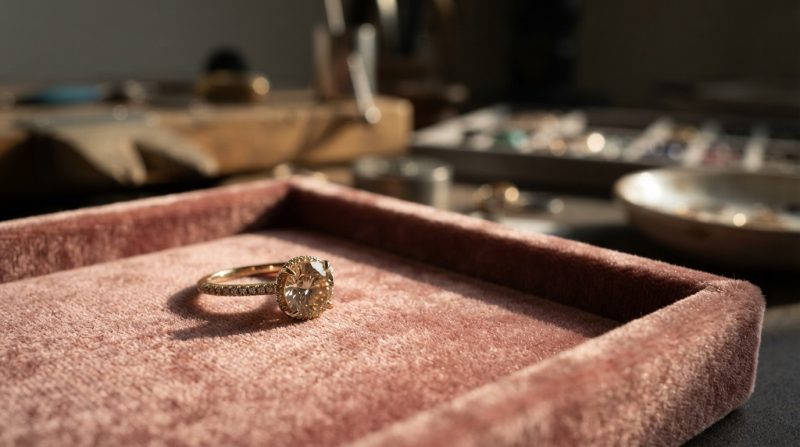
A champagne lab-grown engagement ring is simply a diamond grown in a controlled lab environment that carries warm brown-to-gold color tones, set into an engagement ring design. Shoppers searching this term typically want to understand how these stones compare to natural fancy-color diamonds and what to check before buying one.
Champagne diamonds develop their warm hues through trace nitrogen and other structural factors during formation, while lab-grown diamonds are created under controlled conditions to achieve a range of beautiful colors. For anyone exploring a Champagne Lab Grown Engagement Ring from Mati Jewelry, color grading, cut quality, and setting choice matter just as much as origin in determining the finished piece’s appearance. These factors influence whether the stone displays rich, golden warmth or a more subtle, muted tone once mounted, helping create an engagement ring that reflects both personal style and timeless elegance.
Why Champagne Color Matters in a Lab-Grown Diamond
Champagne diamonds range from pale honey to deep cognac tones, and the depth of color is graded on a separate scale than the standard D-to-Z white diamond chart. Because lab-grown stones are produced through chemical vapor deposition or high-pressure high-temperature methods, growers can target specific color saturation more predictably than nature allows.
- Light champagne stones read closer to a warm white diamond with a soft gold cast.
- Medium and dark champagne tones show a visible brown-gold hue even in low light.
- Cognac-level stones sit at the deepest end of the champagne spectrum and read almost amber.
The Gemological Institute of America notes that lab-grown diamonds share the same optical, chemical, and physical properties as their mined counterparts, which means champagne-colored lab stones grade and wear the same way natural champagne diamonds do.
Comparing Champagne Lab-Grown Options
Shoppers typically weigh color depth, carat weight, and setting metal together, since each affects the final appearance and price point.
| Factor | Light Champagne | Medium Champagne | Deep Cognac |
|---|---|---|---|
| Visual effect | Subtle warm glow | Clear gold-brown tone | Rich amber tone |
| Best metal pairing | White or yellow gold | Rose or yellow gold | Rose gold or oxidized settings |
| Typical use case | Everyday elegance | Statement center stone | Bold, vintage-inspired designs |
Rose gold settings tend to intensify the warmth of a champagne stone, while platinum or white gold create more contrast, making the color pop against a cooler backdrop.
Setting and Cut Choices That Affect Appearance
Cut shape changes how light travels through a champagne diamond and how saturated the color looks. Step cuts like emerald or radiant tend to display color more evenly across the table, while round brilliants scatter light and can soften color intensity.
- Emerald and radiant cuts show off deeper champagne tones with clean, visible color blocks.
- Round and cushion cuts disperse light more, which can make lighter champagne tones appear closer to white.
- Halo settings with white diamond accents create contrast that makes the center stone’s warmth stand out.
- Solitaire settings keep the focus entirely on the champagne hue without competing elements.
Prong style also plays a role, since fewer prongs expose more of the stone’s surface area to light, which can affect how the color reads from different angles.
Questions to Ask Before Buying
Confidence in a purchase comes down to verifying a few specific details before committing to a stone or setting.
- Does the stone come with a grading report that confirms both origin and color grade?
- What growth method was used, and does the retailer disclose it clearly?
- How does the setting metal interact with the stone’s specific color depth?
- Is the diamond’s carat weight and cut proportion suited to the ring style under consideration?
Asking these questions upfront helps avoid mismatched expectations once the ring arrives in natural light versus indoor lighting.
Frequently Asked Questions
Is a champagne lab-grown diamond less durable than a white diamond? No. Color does not affect hardness or durability, since both are pure carbon crystals with identical physical properties regardless of hue.
Why do lab-grown champagne diamonds cost less than natural ones? Lab-grown stones skip the geological timeline and mining process required for natural diamonds, which generally lowers production costs and retail pricing.
Can champagne diamonds be resized or reset later? Yes, in most cases. Like other diamonds, they can typically be removed and reset into a new design, though a jeweler should inspect the stone’s cut and setting first.
Does champagne color fade over time? No. The color is a permanent result of the diamond’s internal structure and does not change with wear or light exposure.
Next Steps for Finding the Right Ring
Choosing a champagne lab-grown engagement ring comes down to matching color depth, cut, and metal to personal style, then confirming the stone’s grading and origin details before purchase. Mati Jewelry offers a curated selection of lab-grown diamond engagement rings, including warm-toned options suited to those seeking a distinctive, sustainably grown center stone. For a closer look at available styles and guidance on selecting the right cut and setting, Visit Mati Jewelry to explore current ring options and speak with a specialist about color, carat, and design preferences.