Key point:
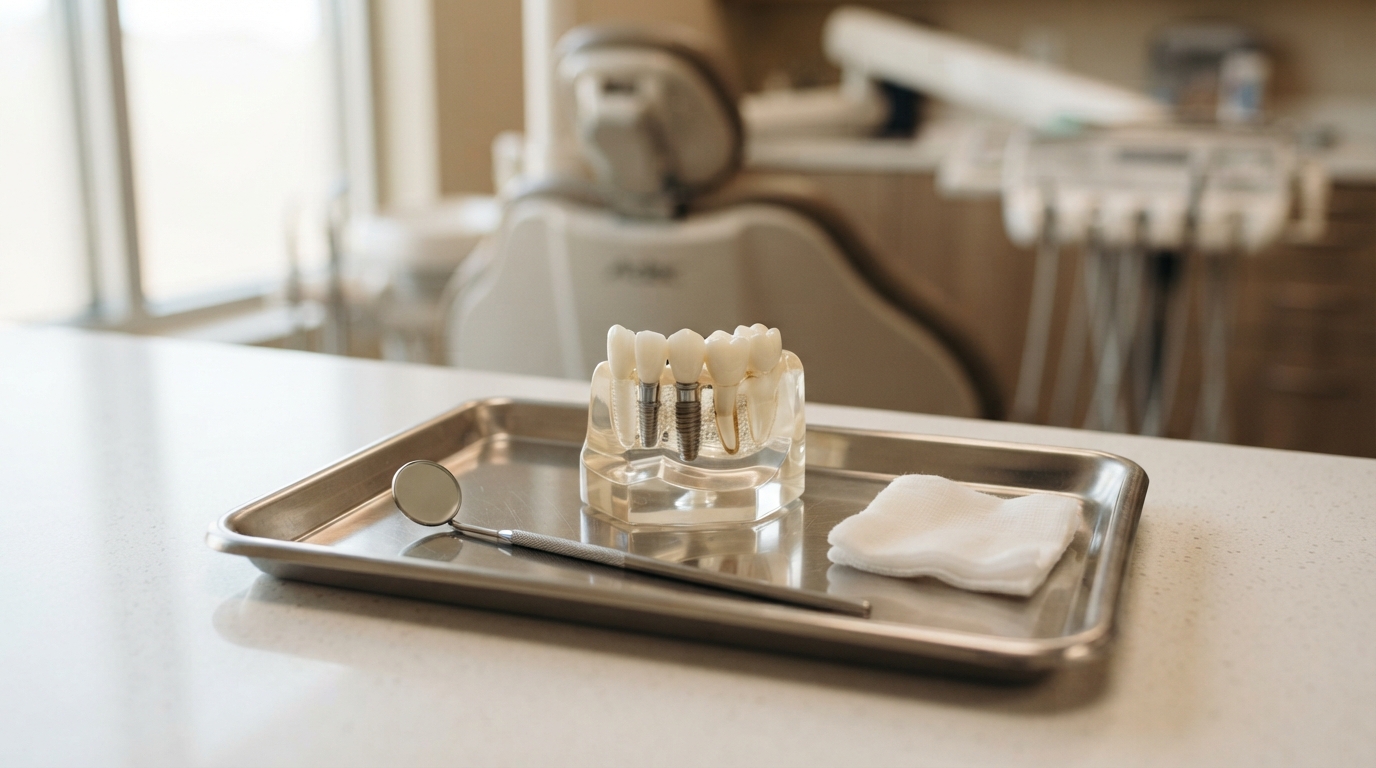
- Dental implants replace missing teeth with a titanium post placed in the jawbone, topped with a crown, bridge, or denture.
- Common mistakes include skipping imaging, ignoring bone density issues, and choosing a provider without a clear treatment plan.
- Recent registry data shows implant failure rates near 2 percent, though outcomes depend heavily on patient habits and site preparation.
Getting an Implant involves more than a single office visit. The procedure spans consultation, imaging, surgical placement, healing, and final restoration, and mistakes at any stage can affect how long the result lasts. Understanding where patients commonly go wrong helps set realistic expectations before treatment begins.
Skipping a Thorough Diagnostic Workup
A rushed consultation is one of the most frequent errors before implant surgery. Proper planning requires imaging to confirm bone volume and nerve positioning before a post is ever placed.
- Relying on a visual exam alone instead of digital imaging
- Not disclosing smoking habits, diabetes, or medication use
- Assuming any missing tooth qualifies for immediate implant placement without bone evaluation
A large registry study covering 158,824 implants placed between 2014 and 2022 found the overall implant failure rate was 2.21%, while the early failure rate during the osseointegration phase before prosthetic reconstruction was 1.56%. Early failure is often tied to inadequate healing conditions that a careful workup is meant to catch.
Underestimating Bone and Tissue Requirements
Patients sometimes assume any jaw can support an implant without grafting. Research indicates key risk factors include smoking, poor oral hygiene, implant placement in the front of the mouth, inadequate bone volume, and insufficient keratinized mucosa. Skipping a bone density evaluation can lead to complications or the need for later corrective procedures.
Residents in Margate, FL researching implant options should ask directly whether a bone graft or sinus lift is needed before scheduling surgery, since these steps change both timeline and recovery. The National Institute of Dental and Craniofacial Research outlines how tooth loss and bone changes are linked, which is useful background before any restorative decision.
Choosing a Provider Without Confirming the Process
Another common mistake is selecting a provider based on price alone, without understanding what the full treatment sequence involves. A structured implant process typically includes:
|
Stage |
What Happens |
Why It Matters |
|
Consultation |
Health history and goals review |
Flags risk factors early |
|
Imaging |
3D scans of bone and nerves |
Confirms implant feasibility |
|
Placement |
Surgical insertion of the post |
Starts osseointegration |
|
Restoration |
Crown, bridge, or denture attached |
Completes function and appearance |
Based in Tamarac, FL, dental implant services are provided to patients across Margate, FL as part of a broader restorative dentistry offering. The practice, Learn More About Implant Treatment, lists implant placement among its restorative and cosmetic treatment options for patients in the surrounding area.
Ignoring Aftercare and Follow-Up Visits
Patients occasionally treat the day of surgery as the finish line rather than the midpoint of treatment. Healing and follow-up monitoring matter as much as the placement itself.
- Missing scheduled follow-up appointments during the healing phase
- Returning to normal chewing habits too soon after surgery
- Neglecting daily hygiene around the implant site, which raises infection risk
Failures recorded in long-term data are either early, when bone does not fuse to the implant, or late, usually from infection and bone loss around it, which underscores why consistent oral hygiene and scheduled checkups remain part of the process long after the initial procedure.
Frequently Asked Questions
How long does the implant process usually take? The timeline varies by case, but it generally spans several months from initial placement through final restoration to allow proper bone integration.
Can one implant replace multiple missing teeth? Yes, options such as implant-supported bridges or full-arch solutions can address several missing teeth using a smaller number of implant posts.
Is bone grafting always required? Not always. Grafting depends on the bone volume at the implant site, which is determined through imaging during the diagnostic phase.
What increases the risk of implant failure? Smoking, uncontrolled diabetes, poor oral hygiene, and insufficient bone density are commonly cited risk factors in clinical research.
Final Notes on Planning Ahead
Avoiding the common mistakes outlined above, incomplete diagnostics, unverified bone health, and inconsistent aftercare, tends to produce more predictable results for patients considering tooth replacement. A clear understanding of each treatment stage helps set realistic expectations before any procedure begins.
Published details for Learn More About Implant Treatment cover the service area surrounding Margate, FL.