Short version:
- Roadside assistance in DeForest, WI, covers breakdown help like jump-starts, tire changes, fuel delivery, lockouts, and towing to a repair shop.
- Response speed, equipment type, and vehicle size all affect how a tow or roadside call is handled.
- Knowing what to expect before you call helps you stay safe and get back on the road faster.
A vehicle breakdown on a Dane County roadway usually calls for one of two things: a quick fix on the spot, such as a jump-start or tire change, or a tow to a repair facility. Knowing which service applies to your situation, and what to expect from a provider, makes the wait less stressful.
Roadside assistance in DeForest, WI, typically includes a short list of common fixes meant to get a disabled car moving again without a full tow. One regional provider describing its coverage area notes that services for drivers facing car trouble commonly include battery jump-starts, tire changes, fuel delivery, and lockout assistance, all handled by a dispatched operator who comes to the vehicle’s location.
What Counts as Roadside Assistance vs. a Tow
Not every breakdown requires a flatbed. Dispatchers typically sort calls into two categories based on whether the vehicle can be made drivable on-site.
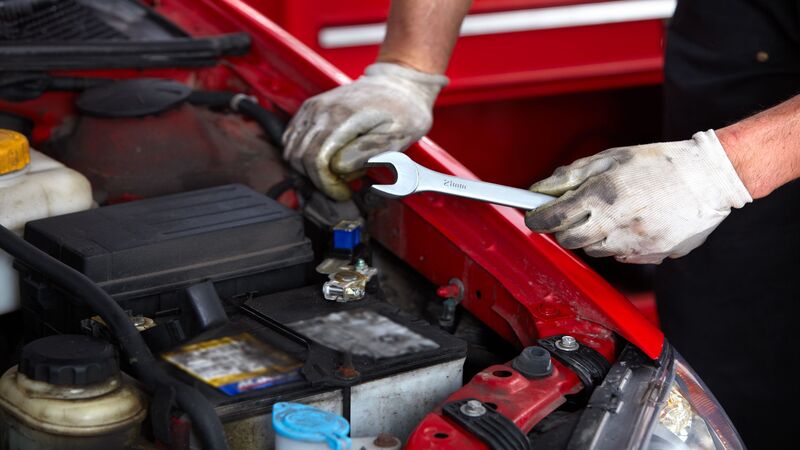
- Roadside fixes: dead battery, flat tire, empty fuel tank, or a lockout. These are usually resolved in minutes without moving the car.
- Tow-required situations: mechanical failure, accident damage, a vehicle stuck in a ditch, or a no-start that a jump cannot solve.
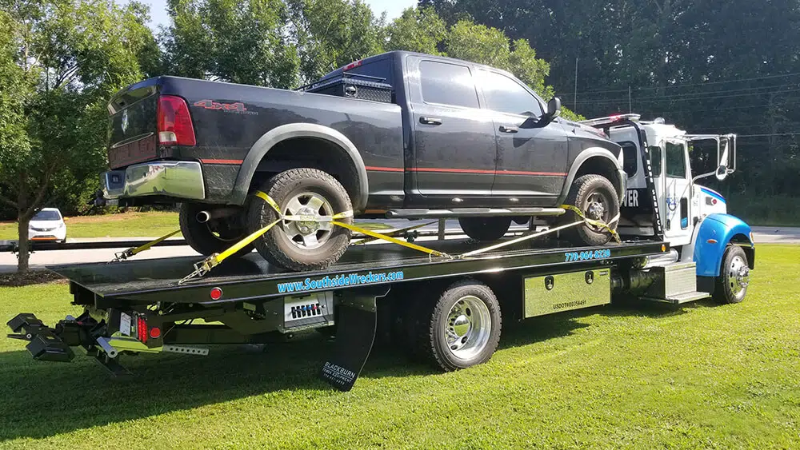
A provider serving the DeForest area describes offering both types of support, noting that drivers can expect help ranging from battery jump-starts and tire changes to fuel delivery and lockout assistance for routine breakdowns, alongside towing for cars and trucks when the vehicle cannot be safely driven.
Why Preparation Matters Before You Call
Being ready before trouble starts can shorten how long a roadside call takes and keep you safer while you wait. Federal guidance on vehicle safety stresses that drivers should take a few minutes to check tire condition and carry basic supplies before a trip, since even a well-maintained car can still break down unexpectedly, according to the National Highway Traffic Safety Administration.
Steps that help once you are stopped:
1. Move to the shoulder or a parking area away from traffic lanes if possible.
2. Turn on hazard lights immediately so passing drivers notice your vehicle.
3. Stay inside with your seatbelt fastened if you are on a busy roadway shoulder.
4. Call for assistance before attempting repairs yourself.
5. Have your location, vehicle type, and the nature of the problem ready when you call.
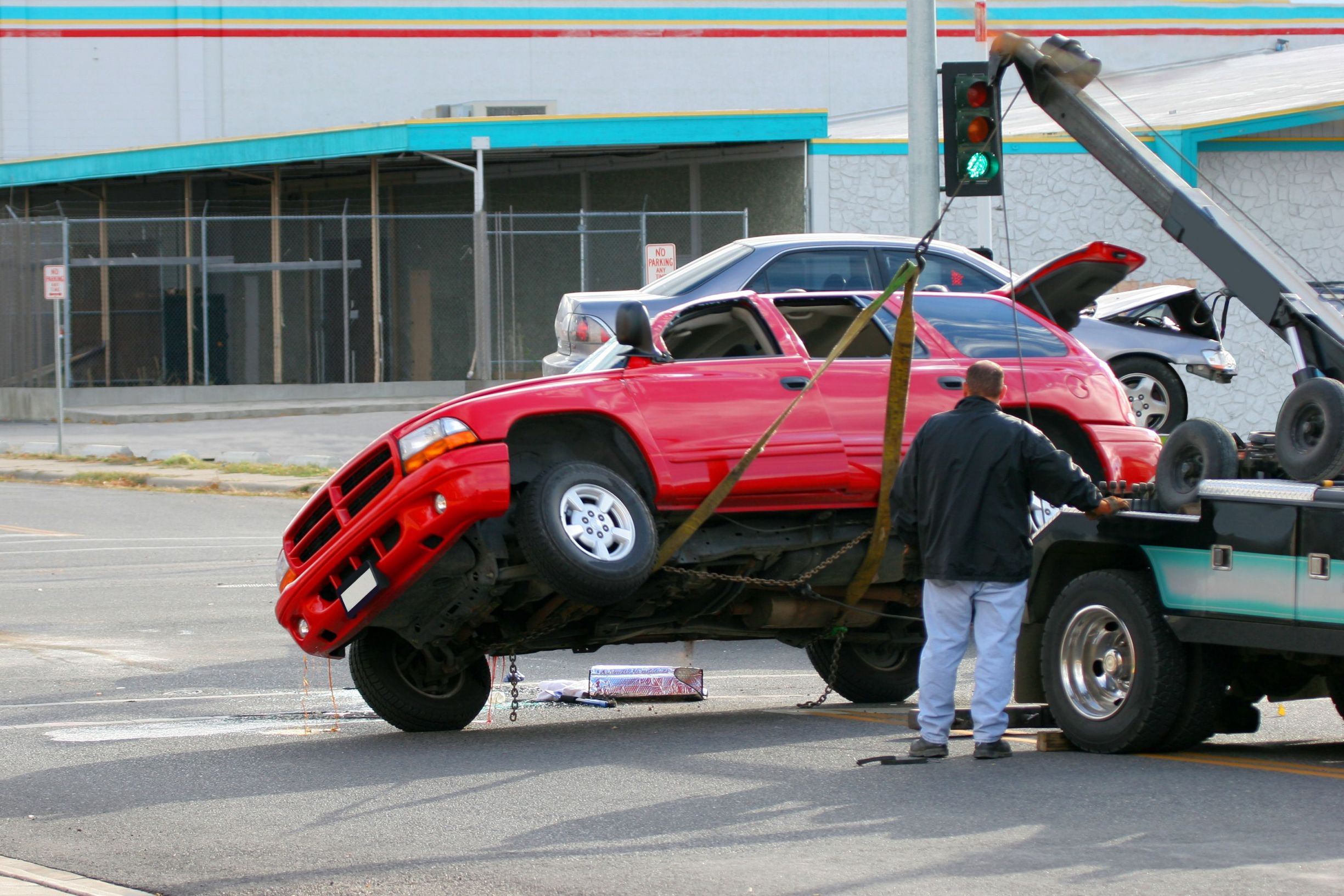
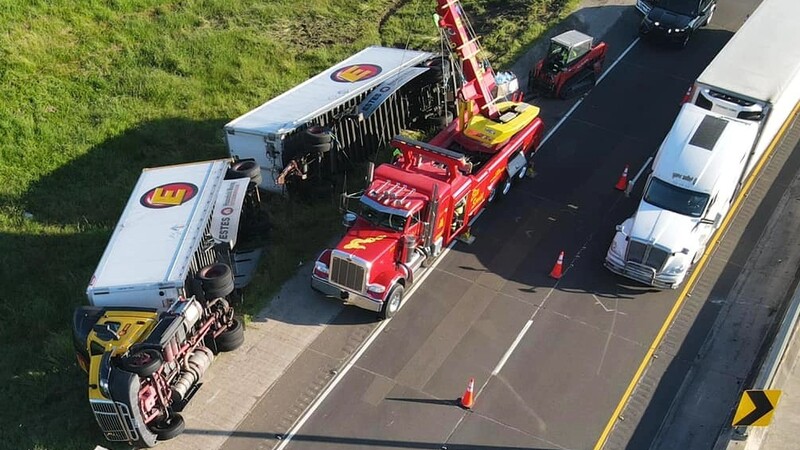
Accident recovery and winch-outs follow a different process than a routine breakdown. Vehicles stuck in a ditch, involved in a collision, or resting at an angle require specialized winching equipment and trained operators rather than a standard tow hook, since an improper pull can cause additional frame or suspension damage.
Comparing Common Roadside Situations
| Situation | Typical Response | Equipment Needed |
| Dead battery | Jump-start on site | Jump box or cables |
| Flat tire | Spare swap or inflation | Jack, lug wrench |
| Locked out | Entry assistance | Lockout tool kit |
| Accident or ditch recovery | Winch-out, then tow | Winch, flatbed or wheel-lift |
This breakdown shows why a single phone call can lead to very different outcomes depending on what actually happened to the vehicle. A provider that handles both light fixes and heavier recovery work can usually dispatch the right equipment on the first trip, which cuts down on wait time.
Frequently Asked Questions
What is the difference between roadside assistance and towing? Roadside assistance resolves the problem where the car is parked, such as a jump-start or tire change, while towing moves the vehicle to another location, typically a repair shop, when it cannot be driven safely.
How fast should I expect help to arrive? Response times vary by traffic, time of day, and distance from the dispatch location, so it is worth asking for an estimated arrival window when you call.
Can roadside assistance help with a car stuck in a ditch? Vehicles stuck off the roadway generally need a winch-out rather than standard roadside service, since pulling a car from an uneven position requires specialized rigging to avoid additional damage.
Do I need a full tow if my battery just needs a jump? Usually not. A jump-start on site is typically enough unless the battery or alternator has failed completely, in which case a tow to a repair shop may follow.
Breakdowns rarely happen at a convenient time, but understanding the difference between a quick roadside fix and a full tow helps you make faster decisions when it counts. For drivers in the DeForest area, Precision Towing & Recovery offers both roadside assistance and towing support, giving stranded motorists a single point of contact regardless of which type of help the situation calls for.