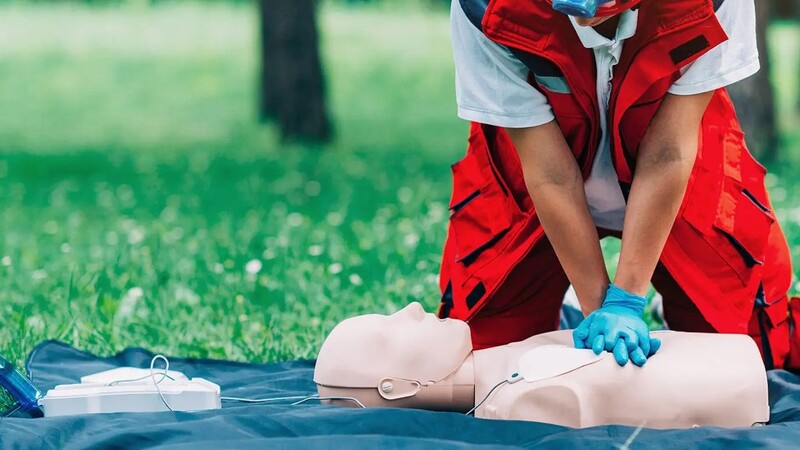
CPR certification classes help individuals learn life-saving techniques used during cardiac and breathing emergencies. In cities like Phoenix, AZ, CPR training courses and CPR certification classes prepare responders with the knowledge and skills needed to act quickly during critical medical situations.
Immediate CPR can help maintain blood circulation and oxygen flow to vital organs until advanced care arrives. For emergency responders, workplace teams, and community members, CPR training plays an important role in improving survival outcomes during cardiac emergencies.
Why Is CPR Training Important for Emergency Responders?
Cardiac arrest can occur suddenly and without warning. During these situations, the first few minutes are often the most important for survival.
Emergency responders are frequently the first individuals to arrive at the scene of a medical emergency. Their ability to begin CPR quickly can help stabilize a person before advanced medical assistance becomes available.
CPR certification classes help participants develop the skills needed to:
- Recognize cardiac arrest symptoms
- Perform high-quality chest compressions
- Provide rescue breathing when necessary
- Use an automated external defibrillator (AED)
- Work effectively with others during emergency response
These skills help responders act confidently and efficiently during high-pressure situations.
What Do CPR Certification Classes Teach?
CPR certification classes provide structured instruction designed to help participants understand and practice life-saving procedures.
Training typically includes both classroom instruction and hands-on skill practice. Participants learn how to respond to different types of emergencies while following clear safety guidelines.
Common topics covered in CPR training courses include:
Recognizing cardiac arrest
Participants learn how to identify signs such as unresponsiveness and abnormal breathing.
Performing chest compressions
Proper compression depth and rhythm are essential for maintaining blood circulation during cardiac arrest.
Using an AED
Training includes instruction on safely using automated external defibrillators, which can restore normal heart rhythm in certain cases.
Team-based response techniques
Many emergencies involve multiple responders. CPR courses often include coordinated response strategies.
These skills help prepare responders to assist during life-threatening events.
Who Benefits from CPR Training Courses?
Although CPR training is commonly associated with emergency personnel, many individuals and organizations benefit from CPR certification classes.
Common participants include:
- Public safety personnel
- Workplace safety teams
- Security staff
- Coaches and athletic trainers
- Teachers and school staff
- Community volunteers
In cities like Phoenix, CPR training courses are often encouraged as part of workplace safety programs or community preparedness initiatives.
Learning CPR helps ensure that more individuals in the community can respond quickly during emergencies.
How Does CPR Certification Improve Emergency Response?
CPR certification helps responders follow clear procedures during emergencies. When people understand what steps to take, they are more likely to respond quickly and effectively.
Training improves emergency response in several ways.
Faster recognition of cardiac arrest
Participants learn how to identify symptoms quickly so they can begin CPR immediately.
Confidence in high-pressure situations
Hands-on training helps individuals remain calm and focused when responding to emergencies.
Improved teamwork
Coordinated response techniques help multiple responders work together efficiently.
Better use of emergency equipment
Training ensures participants understand how to use AED devices safely.
These improvements can help increase the chances of survival during cardiac emergencies.
Why Is CPR Training Especially Important in Large Cities?
In large metropolitan areas like Phoenix, AZ, emergency services may respond quickly, but immediate assistance from nearby individuals can still make a major difference.
When cardiac arrest occurs, every minute without CPR reduces the chances of survival. CPR training helps ensure that individuals nearby can begin life-saving care while emergency responders are on the way.
For workplaces, schools, and public facilities, having trained staff available can help strengthen safety preparedness.
Many organizations encourage employees to complete CPR certification classes so they can assist during medical emergencies.
How Often Should CPR Certification Be Renewed?
Most CPR certifications remain valid for two years. Regular renewal helps ensure that participants remain familiar with CPR procedures and updated guidelines.
Renewal training allows participants to:
- Practice chest compression techniques
- Review CPR safety procedures
- Refresh AED usage skills
- Stay informed about updated emergency response recommendations
Maintaining certification helps ensure responders remain confident in their ability to act during emergencies.
What Skills Are Reinforced During CPR Training Courses?
CPR training courses focus on practical skills that responders may need to apply during emergencies.
Participants typically practice:
- High-quality chest compressions
- Rescue breathing techniques
- AED placement and operation
- Communication during team response
Regular practice helps reinforce muscle memory so participants can respond quickly during real-world situations.
Hands-on training is an important part of CPR education because it allows participants to develop confidence in their ability to perform life-saving procedures.
Find Professional CPR Responder Training in Phoenix, AZ
Individuals who respond to emergencies benefit from structured CPR education that reinforces life-saving skills and updated safety practices. Those interested in learning more about professional CPR responder training, can explore programs that help individuals develop the skills needed to recognize emergencies, perform CPR, and assist until advanced care arrives.
Learn How CPR Certification Classes Support Emergency Readiness
CPR certification classes help prepare individuals and organizations to respond quickly during cardiac emergencies. Through structured instruction and hands-on practice, CPR training courses provide practical knowledge that can help improve emergency response outcomes.
Communities that encourage CPR education help build safer environments where more individuals are prepared to assist during medical emergencies. In places like Phoenix, where workplaces, schools, and public spaces bring large groups of people together, CPR training remains an important part of community safety and preparedness.