THCA — tetrahydrocannabinolic acid — forms naturally in the cannabis plant. In its raw state it produces no intoxicating effects. Once exposed to high temperatures, THCA converts into THC through a process called decarboxylation. That single chemistry fact is the foundation for understanding everything about what are THCA concentrates and why they have become one of the most sought-after categories in the hemp market.
THCA concentrates are highly refined hemp products created by extracting cannabinoids and terpenes from premium flower, and they contain high levels of THCA before heat activation. The extraction process removes the bulk of plant material, leaving behind a product that is far more potent by weight than traditional flower.
How THCA Concentrates Compare to Flower
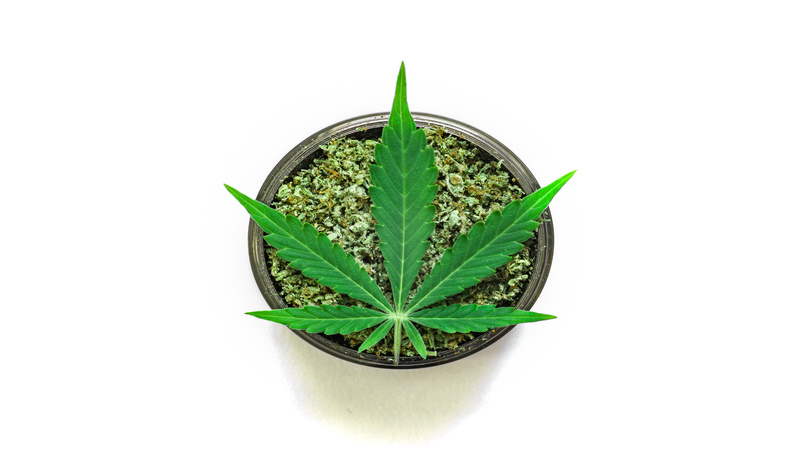
The potency gap between flower and concentrate is significant. While high-quality THCA flower might contain 19-25% THCA, concentrates can reach potencies of 70% to over 99% THCA. This means you need a much smaller amount to achieve stronger effects, and the onset is typically faster and more intense.
| Product Type | Typical THCA Range | Common Use Method |
|---|---|---|
| THCA Flower | 19-25% | Smoking, vaporizing |
| Wax / Badder / Crumble | 70-90% | Dabbing, vaporizing |
| Diamonds | Up to 99% | Dabbing |
| Shatter | 70-85% | Dabbing, vaporizing |
Dabbing or vaping concentrates delivers effects almost instantly, and because most plant material is removed, the inhale is typically smoother than smoking flower. Concentrates also preserve terpenes, giving bold, layered flavor profiles.
The Main Types of THCA Concentrates
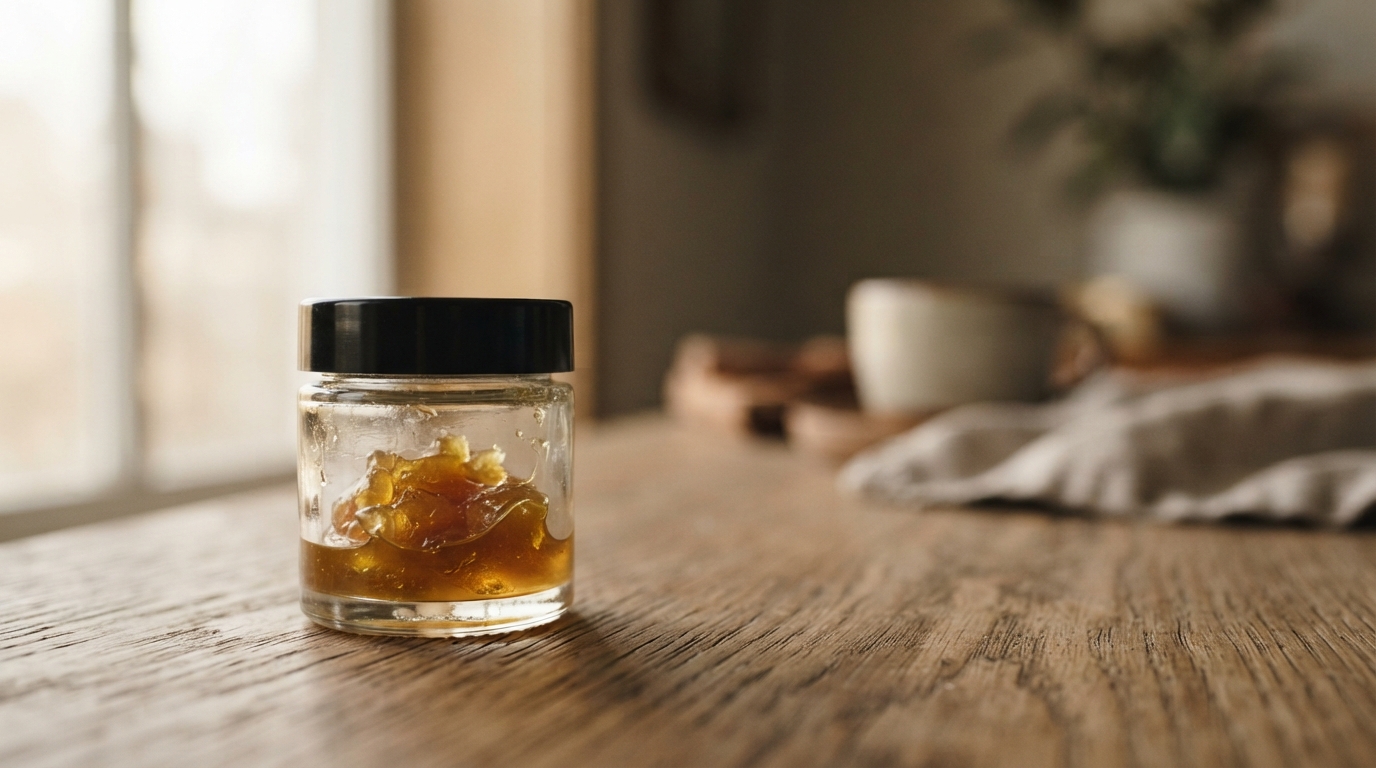
Common types include THCA diamonds, sugar diamonds, diamond sauce, live resin, live hash rosin, badder, crumble, and kief. Each has a distinct texture and production method.
- Diamonds: Crystal-like structures that form during extraction and are often paired with terpene-rich “sauce.” They are among the purest forms available.
- Badder: A smooth, pliable concentrate with a butter-like consistency. Live resin badder is made from fresh-frozen plants instead of dried flower, preserving more terpenes and cannabinoids for better flavor and aroma.
- Crumble: A drier, more brittle texture that is easy to handle and portion.
- Shatter: A glass-like, translucent concentrate known for its stability and clean break.
- Sugar: A granular, crystalline concentrate with high terpene retention and a slightly sticky texture.
The main difference between products lies in the production method. Solvent-based extraction uses substances like butane or CO2 to create pure, potent products, while solventless extraction uses physical techniques like heat, pressure, or ice water — an approach many consumers prefer for its cleaner profile.
Baller Boxes from Luminate pack a full pound of premium THCA concentrate — badder, crumble, diamond, shatter, or sugar — built for the serious dabber.
What to Look for When Buying
Quality verification matters more than marketing language. A high-quality concentrate typically falls between 70% and 99% THCA, and labs often calculate the THC you will get after heating, since THCA becomes Delta-9 THC when vaporized.
Key buying criteria:
- Third-party lab reports (COAs): Confirm potency, residual solvents, and heavy metals are all tested.
- Source transparency: Look for brands that disclose where and how their hemp is grown.
- Extraction method: Solventless options like live rosin carry no residual solvent risk.
- Terpene content: Full-spectrum products retain more of the plant’s natural aromatic compounds.
Every product at Luminate starts as hemp-derived THCA, sourced with care and tested before it reaches your door, with every batch third-party verified and COAs available for every product.
Legal Status and Compliance in the USA
The regulatory landscape for THCA concentrates shifted significantly in late 2025. In the Continuing Resolution and Appropriations Package enacted into law on November 12, 2025, Congress included several new provisions regarding intoxicating hemp products — representing the most significant federal developments on hemp since the 2018 Farm Bill. These provisions take effect on November 12, 2026.
As of September 2026, THCA flower and concentrates are still legal under the current framework, with the 2018 Farm Bill’s Delta-9-only standard still governing. However, state laws vary, and buyers should verify their local rules before purchasing. For a detailed breakdown of the federal regulatory timeline, the DLA Piper hemp law summary is a useful reference.
Frequently Asked Questions
Does THCA get you high? THCA itself is non-psychoactive in raw form. When heated through dabbing, vaping, or smoking, THCA converts into Delta-9 THC, providing the classic cannabis experience users seek.
What is the difference between THCA diamonds and shatter? Diamonds are crystalline structures with purity up to 99% THCA and are often paired with terpene sauce. Shatter is a glass-like concentrate that is stable and easy to portion, typically ranging from 70-85% THCA, with less terpene complexity.
How are THCA concentrates consumed? THCA concentrates can be dabbed, vaporized, or added to flower for enhanced potency. The most popular method involves using a dab rig with a heated nail or banger, while specialized concentrate vaporizers offer portable, convenient consumption with precise temperature control.
Are THCA concentrates stronger than flower? Yes. While smokable hemp buds might have 15-25% THCA, a single gram of THCA concentrate can contain 70-90% — or even approximately 99% — THCA. First-time users should start with a very small amount.
THCA concentrates reward informed buyers. Understanding the type, extraction method, and lab verification behind a product is the clearest path to a consistent and safe experience. As the regulatory environment continues to evolve through late 2026, staying current on both federal and state rules is just as important as knowing the difference between badder and diamonds.