Quick summary:
- High-voltage testing verifies that electrical equipment can safely withstand operating voltages and identifies insulation failures before they cause outages or safety incidents.
- Compliance is governed by standards including ANSI/NETA ATS-2025 and NFPA 70B, which define test methods, acceptance criteria, and technician qualifications.
- Accurate result interpretation requires understanding test type, equipment condition, and applicable pass/fail thresholds.
High-voltage testing is a structured process used to verify the dielectric integrity and operational safety of electrical power equipment before energization or after significant maintenance. Understanding what the results mean, and which standards govern them, is essential for any facility manager, engineer, or contractor responsible for electrical infrastructure. High Voltage Testing by JET Electrical Testing, LLC helps ensure electrical equipment meets applicable testing requirements and supports safe, reliable operation.
What High-Voltage Testing Actually Measures
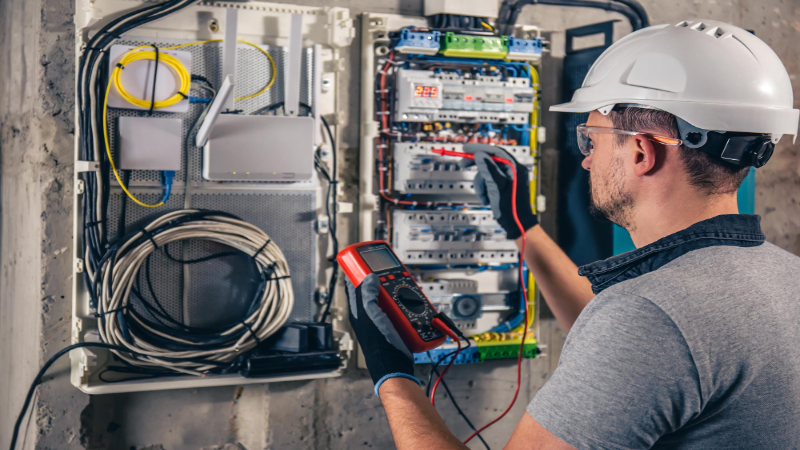
Technicians test grounding systems, dielectric insulation, and equipment to ensure they are safe, well-insulated, and ready for use. The most common test types performed on commercial and industrial systems include:
- Insulation resistance (megger) testing — measures resistance across insulation to detect moisture, contamination, or physical degradation.
- Dielectric withstand (hipot) testing — applies a voltage significantly above normal operating levels to confirm insulation will not break down under stress.
- Partial discharge testing — detects internal voids or defects in insulation that may not appear in a simple resistance reading.
- Power factor / tan delta testing — identifies dielectric loss trends associated with aging, moisture, or contamination.
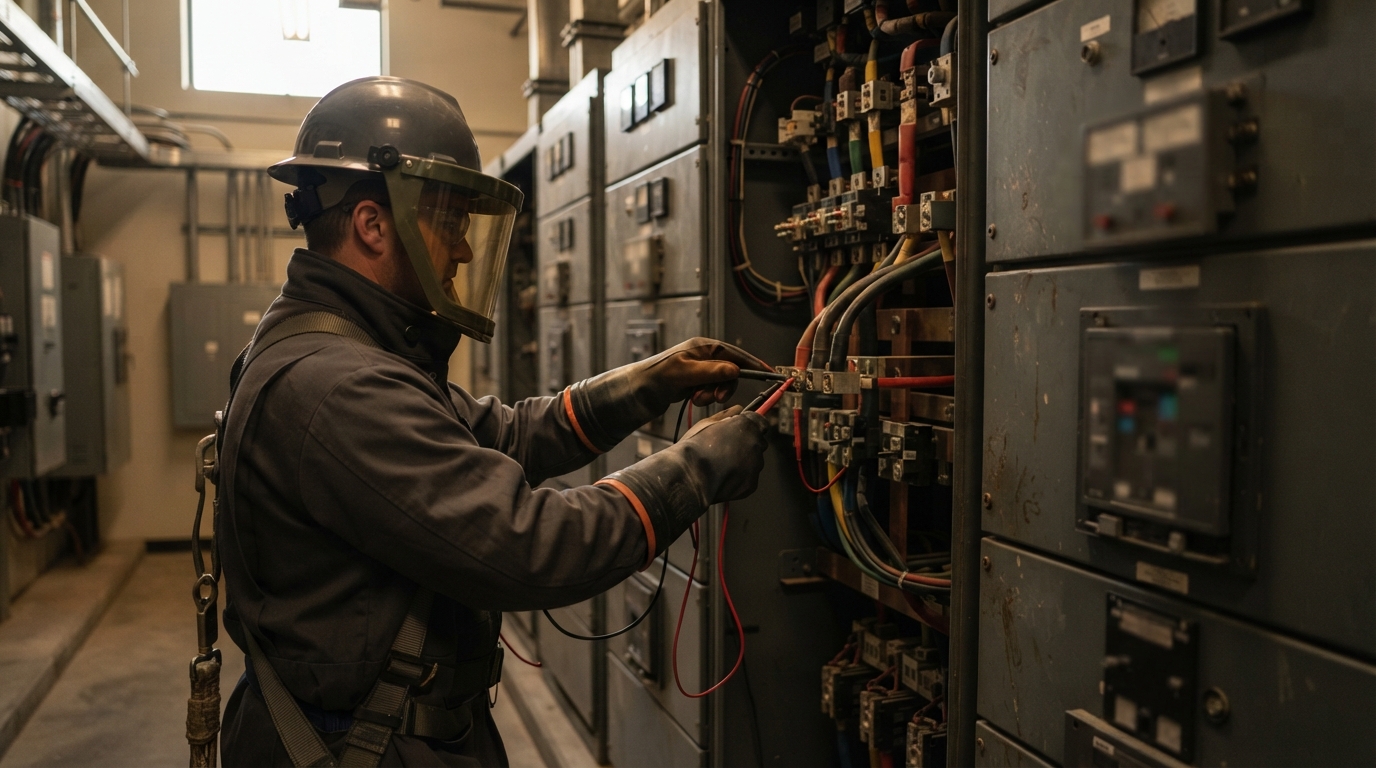
Switchgear testing covers all types of distribution equipment, including low, medium, and high voltage testing switchgear. Each test type produces a distinct data set, and results must be evaluated against the correct benchmark for the equipment class and voltage level.
Reading and Interpreting Test Results
A test result is only meaningful when compared to an established acceptance threshold. Key factors that affect interpretation include equipment age, ambient temperature, humidity at the time of testing, and the manufacturer’s published tolerances.
For insulation resistance, a single reading is rarely sufficient. Technicians typically calculate the polarization index (PI), the ratio of a 10-minute reading to a 1-minute reading, to distinguish true insulation condition from surface leakage. A PI below 1.0 generally indicates a problem; values above 2.0 are considered acceptable for most equipment classes.
For dielectric withstand tests, the equipment either passes or fails based on whether breakdown occurs during the test period. Dwell time for a routine hipot is typically 60 seconds, while VLF withstand per IEEE 400.2 is usually 2.5 to 3.0 times the rated voltage for 5 minutes. Any flashover, sustained leakage current spike, or insulation puncture during that window constitutes a failure.
| Test Type | Primary Metric | Pass Indicator |
| Insulation Resistance | Megohm reading / PI ratio | PI above 2.0 for most equipment |
| Dielectric Withstand | Leakage current during dwell | No breakdown at specified voltage |
| Partial Discharge | Discharge magnitude (pC) | Below manufacturer threshold |
| Power Factor / Tan Delta | Dielectric loss percentage | Trended against baseline readings |
Compliance Standards That Govern the Process
Two frameworks define what constitutes a compliant high-voltage test program in the United States.
The ANSI/NETA ATS-2025, Standard for Acceptance Testing Specifications for Electrical Power Equipment and Systems, received formal approval from the American National Standards Institute (ANSI) on February 20, 2025. These specifications are designed to assure that tested electrical equipment and systems are operational, within applicable standards and manufacturers’ tolerances, and installed in accordance with design specifications.
NFPA 70B addresses preventive maintenance for electrical, electronic, and communication systems and equipment — such as those used in industrial plants, institutional and commercial buildings, and large multi-family residential complexes — to prevent equipment failures and worker injuries.
According to the ANSI/NETA ATS-2025 standard, acceptance testing specifications provide detailed field tests and inspections to ensure electrical systems perform satisfactorily and maximize life expectancy. Teams following these frameworks adhere to nationally recognized NETA and NFPA guidelines to ensure every project meets regulatory and safety requirements.
The ANSI/NETA ETT-2026 standard sets the minimum qualifications required for electrical testing technicians, and NETA recognizes four levels of technician competency, with Levels 2 through 4 requiring comprehensive written exams.
What Facilities Should Expect from a Testing Report
A compliant test report is not simply a pass/fail document. It should include:
- Equipment identification, nameplate data, and test date
- Ambient conditions recorded at the time of testing
- Raw test data compared against acceptance criteria
- Clear notation of any out-of-tolerance findings
- Recommended corrective actions with priority ranking
Working closely with facility managers, engineers, and contractors to deliver accurate reporting, clear recommendations, and actionable insights supports informed decision-making. Facilities that receive vague or undocumented results should request a revised report before energizing any equipment.
Routine retesting intervals matter as much as the initial acceptance test. Maintenance of low, medium, and high-voltage switchgear helps keep systems running smoothly and avoids unexpected downtime. Scheduling periodic testing as part of a formal maintenance plan is the most reliable way to catch degradation before it becomes a failure.
Frequently Asked Questions
What is the difference between acceptance testing and maintenance testing? Acceptance testing is performed on new or newly installed equipment before it is energized for the first time. Maintenance testing is performed periodically on in-service equipment to track condition changes over time.
How often should high-voltage equipment be tested? Testing intervals depend on equipment type, operating environment, and applicable standards. NFPA 70B provides maintenance frequency guidance based on equipment class and criticality.
What happens if equipment fails a high-voltage test? A failure triggers further diagnostic work to locate the defect. Depending on severity, the equipment may be repaired, reconditioned, or replaced before it is returned to service.
Who is qualified to perform high-voltage testing? Technicians must meet the qualifications defined in ANSI/NETA ETT standards, including verified training, experience, and in most cases formal certification through a recognized testing organization.
FFor facilities in New Jersey requiring acceptance testing, switchgear evaluation, dielectric insulation testing, or emergency diagnostic support, JET Electrical Testing, LLC provides certified technicians and detailed compliance reporting for commercial and industrial electrical systems. Find JET Electrical Testing, LLC on Google Maps