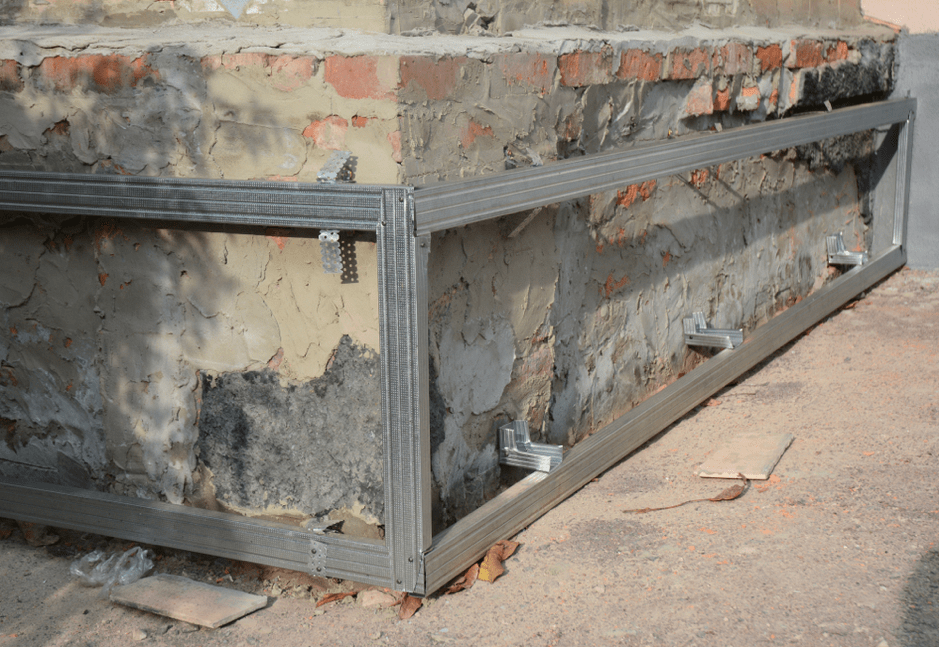
Dave noticed that cracks have surfaced in his home’s masonry and the foundation itself. Upon further investigation, he found cracks in the basement floor and fissures in some of the walls. He even noticed that the chimney displayed some deterioration.
How Foundational Cracks and Gaps Develop
When you have a foundation problem as Dave did, you need to contact a company that specializes in foundation repair right away. Don’t overlook problems such as floor cracks and wall cracks or foundational gaps as doing so can lead to some major expenses. When you are experiencing foundation problems, it normally has to do with the expansion and extraction of the surrounding soils as well as weather activities such as the formation and melting of ice or recurring downpours.
While it is normal for newer houses to settle after the first years they are built, it is not normal to see small horizontal cracks in bricks or concrete block walls in a basement. When you see this type of damage, your house is under a good deal of pressure. Vertical cracks, on the other hand, are not considered serious as dry walls also run vertically. Take special note of any fractures that run at a 45-degree angle, which is a sure sign of foundation movement and the need for a foundation repair in Baltimore.
Do You See Angular Cracks?
If the exterior brick on your home or commercial building features angular cracks in the slab, this type of settling is usually normal and will not warrant a foundation repair. When masonry expands, it forces the perimeter of the bricks outward to the point that some can be as long as 15 inches. While seeing these cracks may concern you, they usually are not an issue.
Who to Call for an Inspection
To check the nature of the cracks inside or outside your house or business, you need to contact a company such as Armored Basement Waterproofing. Doing so will give you peace of mind and prevent any further problems should you find that your foundation needs repair.