Essentially:
- Water stains, sagging rooflines, and granule buildup in gutters are early signs your roof needs a professional evaluation.
- Wisconsin’s freeze-thaw winters accelerate shingle wear, so timely inspections matter more than in milder climates.
- A qualified inspection can distinguish between a minor repair and a situation requiring full replacement.
A roof usually shows measurable warning signs weeks or months before a leak or structural failure becomes obvious, so catching those signals early often costs far less than waiting for visible interior damage.
Homeowners searching for help often look for roofing experts only after a problem has already reached the attic or ceiling. By then, the repair bill is usually larger than it would have been if someone had caught the issue during a routine check of the shingles, flashing, or gutters.
Early Warning Signs on the Roof Surface
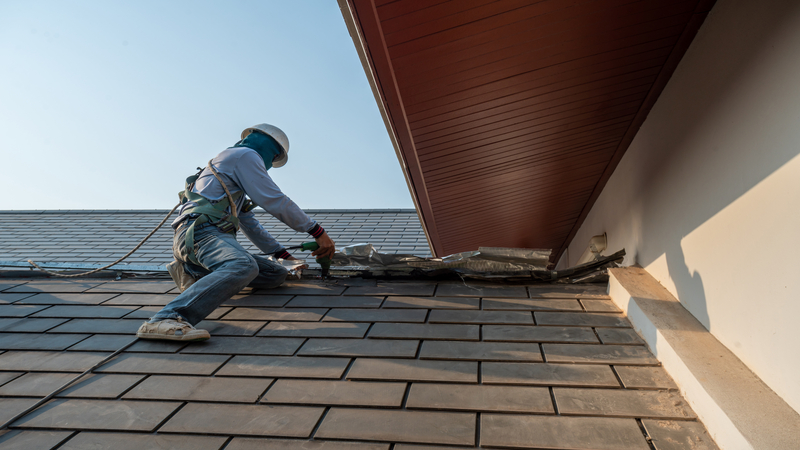
Surface-level damage is often the first clue that a roof needs attention, even before any interior symptoms appear.
- Curling, cracking, or missing shingles: Lifting or buckling edges expose the underlayment to moisture.
- Granule accumulation in gutters or downspouts: Heavy granule loss signals that shingles are breaking down and losing UV protection.
- Visible moss or algae streaking: This points to trapped moisture that can shorten shingle lifespan.
- Damaged or corroded flashing: Gaps around chimneys, vents, and skylights are common entry points for water.
These issues often develop gradually, so a roof rarely fails without warning. However, many early signs look minor from the ground while moisture may already be moving through several layers of the roofing system. Regular visual checks from the ground, paired with a professional inspection when something seems off, help catch problems before they spread.
Interior and Structural Red Flags
Some of the most serious warning signs appear inside the home rather than on the roof itself.
1. Water stains or dripping during rainstorms indicate that moisture has already penetrated the roofing system.
2. Musty odors or damp attic insulation often precede visible ceiling stains by weeks.
3. A sagging or uneven roofline can point to weakened decking or rafters.
4. Rising heating or cooling bills without another explanation may trace back to attic ventilation or insulation failures linked to roof damage.
A sagging roof deck deserves particular attention. A sagging or uneven roof deck is a serious warning of underlying structural problems, such as weakened support beams, rafters, or trusses, often caused by water damage, rot, or pest infestation. Any of these conditions calls for a prompt professional assessment rather than a wait-and-see approach.
Why Fond du Lac Winters Make Timing Critical
Local climate conditions directly affect how quickly minor roof issues escalate in Fond du Lac, WI. Wisconsin’s seasonal freeze-thaw pattern is unusually hard on roofing materials compared with milder regions.
Wisconsin puts roofing through approximately 100 to 130 freeze-thaw cycles every winter, alongside 40 inches of annual snowfall, spring hailstorms, and summer sun that bakes shingles from above. That repeated expansion and contraction is why the average asphalt shingle roof in Wisconsin typically lasts 15 to 25 years, notably shorter than in milder climates. Ice dams along the eaves are a related seasonal risk; they form when attic heat melts snow that refreezes at colder roof edges, often forcing water back under shingles.
For this reason, routine seasonal checks are widely recommended. According to the National Roofing Contractors Association, regular inspections and maintenance help identify minor deficiencies before they develop into costly structural problems.
| Situation | Repair May Be Enough | Replacement Likely Needed |
| Roof age | Under 15 years | Over 20 years |
| Damage extent | Localized to one or two areas | Multiple areas or over 25% of surface |
| Interior signs | None or minor staining | Recurring leaks, sagging decking |
| Shingle condition | A few missing or cracked | Widespread curling, cracking, granule loss |
Based in Oostburg, WI, CustomCraft Roofing & Construction LLC extends residential and commercial roofing work to homeowners and property owners throughout Fond du Lac, WI. The company’s services include asphalt shingle, metal, and flat roofing systems, plus roof repair, replacement, and gutter installation.
Frequently Asked Questions
How often should a roof be inspected in Wisconsin? Twice a year is a common recommendation, typically in spring after snowmelt and in fall before winter weather sets in, with an added inspection after any major storm.
What is the difference between a repair and a full replacement? Repairs generally address localized damage on a roof under 15 years old. Replacement becomes more practical when damage covers a large portion of the roof or the decking has structural rot.
Can granule loss alone mean a roof needs attention? Heavy granule buildup in gutters signals that the protective shingle layer is deteriorating, increasing the risk of water penetration even without a visible leak.
Does a sagging roofline always mean replacement? Not always, but you should never ignore it. A professional evaluation can determine whether the sag stems from a moisture issue that can be repaired or from more extensive structural decay.
Recognizing these warning signs early gives homeowners more options and generally lower costs than waiting until damage reaches the interior of the home. If you notice any of the signs above, a professional roof evaluation can clarify whether a repair or a more involved fix is the right next step. CustomCraft Roofing & Construction LLC can be contacted directly for a property-specific assessment.