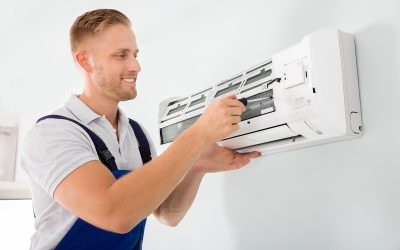
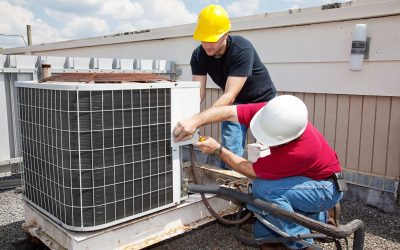
When an air conditioner stops keeping a Cape Coral home comfortable, it is easy to assume the system simply needs refrigerant or a replacement part. Cooling problems can have several causes, including restricted airflow, thermostat issues, drainage problems, electrical faults, and component wear. The useful first step is diagnosis. Once the actual cause is understood, the repair can be scoped around the condition instead of treating the most obvious symptom and hoping the problem disappears.
If you are searching for AC repair in Cape Coral, FL, think about what changed before the system began struggling. Did the air become warmer, did the unit start running much longer, or did one room become noticeably less comfortable? New noises, water around indoor equipment, or repeated cycling can also provide useful clues. A technician can use these observations as part of a broader inspection rather than relying on a single symptom.
Airflow is one area homeowners can observe without taking equipment apart. A heavily loaded filter, blocked return, or obstructed supply area can reduce the amount of conditioned air moving through a home. These basic checks are useful, but they are not a substitute for professional diagnosis. A cooling system depends on multiple components working together, so a persistent problem needs to be evaluated as a system rather than assumed to be a simple filter issue.
Condensate drainage is another consideration. Air conditioning creates moisture during normal operation, and that water needs to leave the system through the intended drain path. If drainage becomes restricted, water can collect around indoor equipment or trigger a protective shutoff. Homeowners who see water where it should not be should not simply continue operating the system and hope it clears. The source should be identified before further damage occurs.
Electrical and control problems can be less obvious. A thermostat that is not communicating properly, a tripped breaker, or a failing electrical component can affect operation. Repeatedly resetting a breaker is not a repair strategy. If a protection device trips again, the system should be inspected to determine why. Avoiding unnecessary resets can reduce the risk of continuing to operate equipment when an electrical problem is present.
Cape Coral’s climate can place substantial demand on cooling equipment, particularly during hot periods. Long run times alone do not prove that an air conditioner is failing, but a meaningful change from normal performance deserves attention. If the home cannot reach the desired temperature or comfort becomes inconsistent, a professional can evaluate airflow, controls, equipment condition, and other relevant factors.
A useful repair visit should leave the homeowner with more than a working system. Ask what caused the problem, what was repaired, and whether another condition was found during the inspection. Understanding the diagnosis can help you recognize early warning signs later. It also separates a targeted repair from a recommendation for broader work, making the decision easier to evaluate.
Air Necessity, Inc. can help Cape Coral homeowners address cooling concerns with a focus on identifying the underlying problem. Prompt evaluation can be especially useful when an issue is affecting comfort or when the system is showing unusual behavior. The goal is a practical repair that addresses the condition found, restores dependable operation, and gives the homeowner a clearer understanding of the equipment’s needs.
Clear expectations at the beginning make the rest of the project easier to manage and easier to evaluate. Before work starts, write down the outcome that matters most, the areas that need attention, and any conditions that could change the sequence. That small amount of preparation can make later decisions simpler because everyone is working from the same understanding of the project.
The practical details matter because a good result should fit the property, process, or people involved rather than follow a generic formula. Take time to identify constraints early, especially where access, timing, information, or preservation is important. A realistic plan leaves room for normal changes while keeping the main objective clear.
Frequently Asked Questions
Why can an AC run but still fail to cool?
Possible causes include airflow restrictions, thermostat or control problems, drainage issues, electrical faults, and equipment problems. A technician should identify the specific cause.
What should I do if my indoor AC unit is leaking water?
Do not ignore the leak. Depending on the situation, the system may need to be shut down while the source is evaluated to protect the equipment and property.
Are long AC cycles always a sign of a problem?
No. Hot weather can produce long cycles. A noticeable decline in cooling performance or an inability to reach the desired temperature is more concerning.