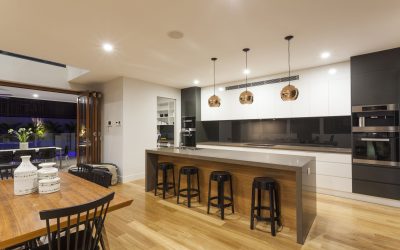
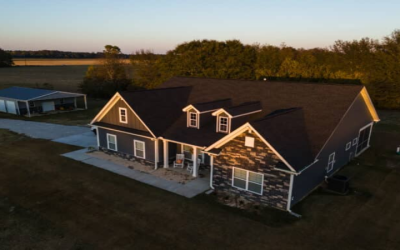
Building a home traditionally often means coordinating many stages at one location, from foundation work and framing to finishing and final inspections. Prefabricated construction changes part of that process by completing significant portions of the home in a controlled manufacturing environment before the structure is transported to its final site. For Alberta buyers and developers, that approach can offer another way to think about construction timelines, quality control, and housing options.
The term prefabricated covers several types of construction, so it is useful to understand what you are comparing. Modular homes are built in sections and assembled on the property. Ready-to-move, or RTM, homes are substantially completed before transportation to the prepared site. Manufactured or mobile housing follows its own standards and construction framework. The right option depends on the property, intended use, design, budget, and applicable requirements.
People researching prefabricated homes in Alberta often start with the potential time savings. Factory construction can allow multiple stages of work to happen in a controlled setting instead of waiting for every task to be completed outdoors. Weather can still affect transportation and site preparation, but the manufacturing portion is less exposed to conditions that can interrupt conventional on-site work. The actual timeline varies by home, design, approvals, site readiness, and delivery logistics.
Quality control is another consideration. A controlled environment can provide a consistent workspace and a repeatable construction process. Materials and components can be handled under more predictable conditions, while the home is being built away from the variables of an active construction site. This does not automatically make every prefabricated home better than a site-built home, but it can be one advantage of the construction model when the manufacturer has strong processes in place.
Alberta buyers should also look beyond the home itself. Site preparation, foundation requirements, utility connections, transportation, permits, local rules, and installation all need to fit together. A home can be completed at the factory and still require significant planning at the destination. Asking who is responsible for each stage helps prevent the common mistake of viewing the purchase as only a building order rather than a complete project.
Horizon Homes describes itself as a modular housing manufacturer serving La Crete, Alberta, and surrounding regions. Its residential lineup includes custom modular homes, ready-to-move options, and affordable mobile homes, while its commercial work uses modular construction for different project needs. The company emphasizes practical design, durability, and streamlined delivery.
For buyers comparing manufacturers, ask about design options, construction standards, site requirements, delivery planning, and what is included in the quoted scope. It is also worth asking how changes are handled after a design is approved. Clear documentation can make it easier to compare offers because two homes with similar floor plans may have very different inclusions, preparation requirements, or delivery arrangements.
Prefabricated housing is not a shortcut around planning. It is a different way of organizing the work. Alberta homeowners and developers who understand the construction type, prepare the site carefully, compare manufacturers, and clarify responsibilities can make better decisions about whether modular or other prefabricated options fit their goals. The appeal comes from combining a more controlled building process with flexible housing choices, not from eliminating the details that every successful construction project still requires.
Design flexibility is another reason buyers should ask detailed questions. Prefabricated does not necessarily mean identical. Depending on the manufacturer and construction type, buyers may have choices involving floor plans, finishes, room arrangements, and other features. However, customization can affect production, pricing, engineering, and delivery. Understanding which changes are available and when they must be finalized can make the design process more predictable.
The strongest comparisons are made using the same checklist. Put each manufacturer’s construction type, included features, site responsibilities, transportation arrangements, timeline assumptions, and change policies side by side. This makes differences easier to see and reduces the risk of choosing an option simply because its headline price looks lower. A complete project comparison is more useful than a quick comparison of base models.
Financing and ownership questions should be considered alongside construction. Buyers can ask lenders how they treat the selected home type, what documentation may be required, and when funds are released. The answers can vary by property and financing arrangement. It is also useful to confirm insurance considerations and local requirements before finalizing the purchase. These steps help connect the factory-built portion of the project with the financial and property realities at the destination.
Frequently Asked Questions
What are prefabricated homes?
Prefabricated homes are built partly or substantially away from the final site and then transported for installation or assembly. Modular and RTM homes are examples of prefabricated construction.
Are prefabricated homes suitable for Alberta?
They can be. Buyers should evaluate insulation, construction standards, site conditions, transportation, and applicable provincial and local requirements for the specific home.
What should I ask a prefabricated home manufacturer?
Ask about the construction type, design options, what is included, site preparation, transportation, installation, timelines, approvals, and how changes to the plan are handled.