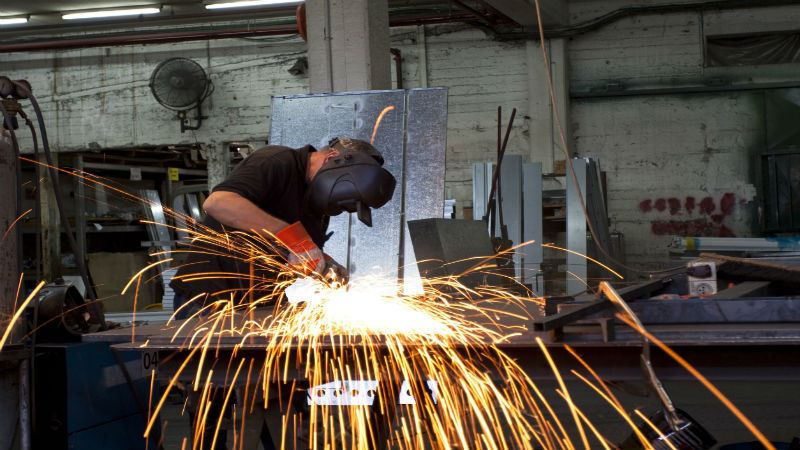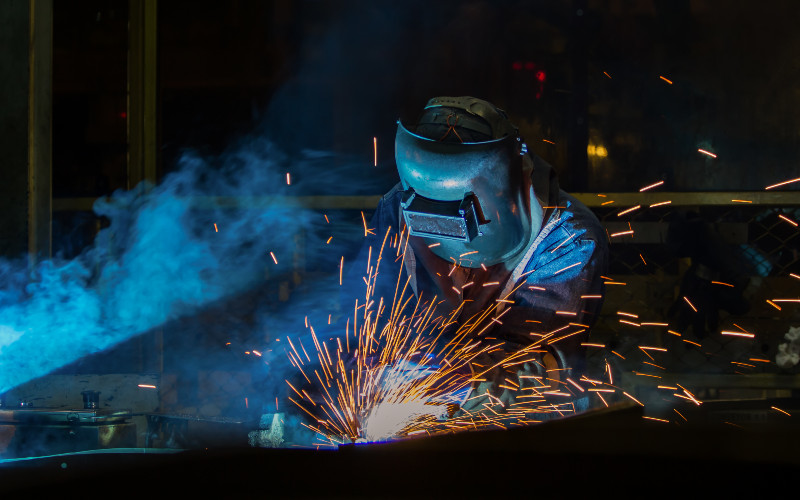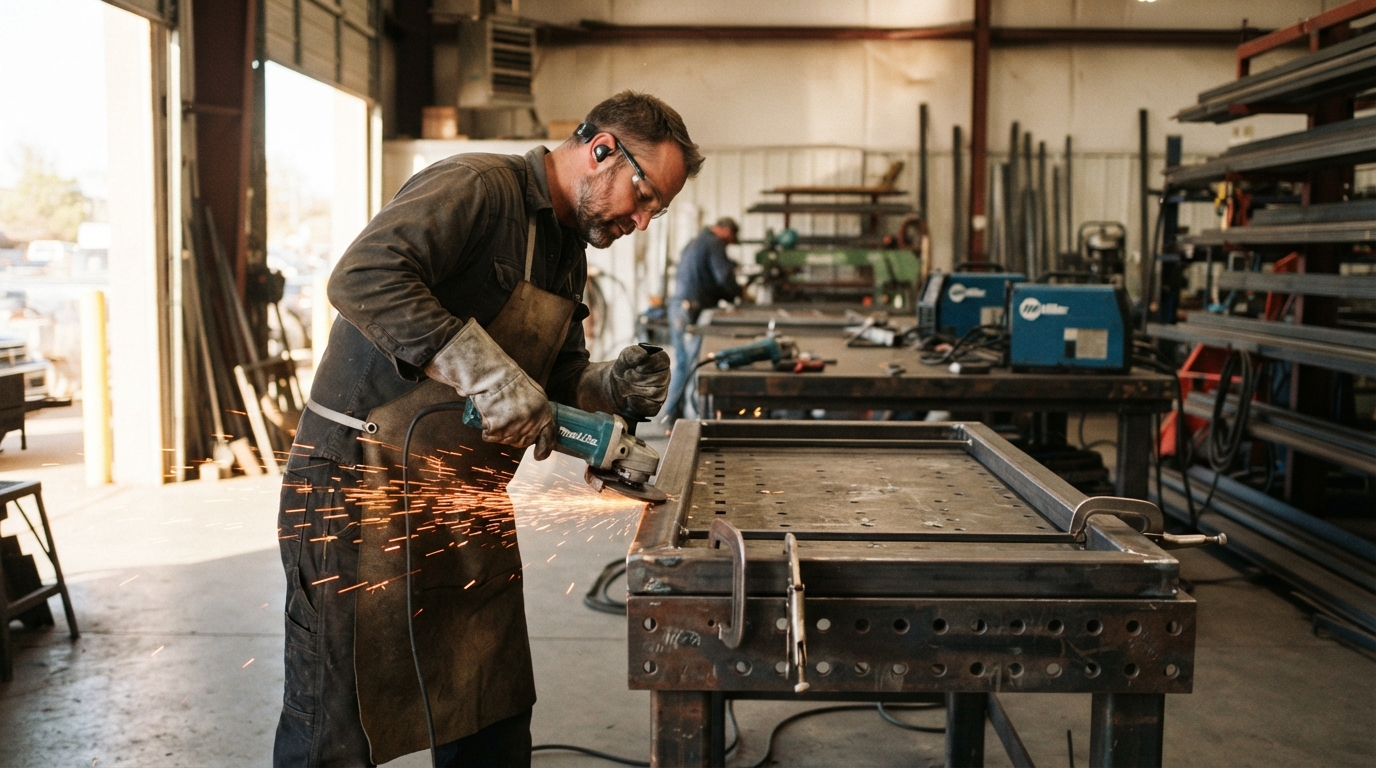
- A qualified metal fabricator shapes raw steel, aluminum, or other metals into custom gates, railings, fences, and structural components built to exact project specifications.
- Skilled fabrication affects durability, safety, and code compliance, especially for load-bearing or outdoor-exposed metalwork.
- Verified fabrication shops typically handle cutting, shaping, welding, and on-site installation for both residential and commercial projects.
Custom metal projects, from driveway gates to structural supports, depend on the precision of the person doing the cutting, welding, and fitting. A properly trained Metal Fabricator turns raw stock into components that hold their shape, bear their intended loads, and resist corrosion over years of outdoor use. Choosing the wrong fabricator, on the other hand, often means warped welds, mismatched dimensions, or hardware that fails well before it should.
What a Metal Fabricator Actually Does
Fabrication is a multi-step process, not a single task performed with a welding torch. According to a regional metal fabrication business profile, products and services commonly associated with metal fabrication shops include custom fabrication, custom metalwork, driveway gates, fences, fencing, gates, handrails, porch handrails, railings, rails and guardrails, structural steel work, and welding fabrication.
A typical project moves through several stages:
- Measuring and designing the piece to match the site, whether that is a sloped driveway or a commercial loading area.
- Cutting and shaping raw steel, aluminum, or other metal stock to the required dimensions.
- Welding or joining components using processes rated for the metal type and intended load.
- Finishing the surface to resist rust, UV exposure, or wear.
- Installing the finished piece on-site, including fitting it to existing structures such as posts, walls, or foundations.
Skipping or rushing any one of these steps tends to show up later as sagging gates, uneven railings, or seams that crack under stress.
Why Welding Quality and Safety Standards Matter
Welding is the step most directly tied to structural integrity, and it is also the most heavily regulated part of fabrication work. Fume exposure, electrical hazards, and fire risk are all addressed under federal workplace rules, and OSHA’s welding standards outline requirements for ventilation, fire prevention, and safe handling of welding equipment. A shop that follows these standards is generally also the one producing welds that hold up under real-world stress, since the same discipline that protects workers tends to protect the finished product.
For homeowners and contractors in Olympia, WA, this matters most on projects exposed to the region’s wet winters and freeze-thaw cycles, where poorly sealed welds or untreated metal corrode faster than in drier climates.
Residential vs. Commercial Fabrication Needs
Not every project calls for the same approach. The table below outlines common differences in scope and priorities.
|
Project Type |
Typical Components |
Primary Priority |
|
Residential |
Gates, fences, handrails, porch rails |
Fit, finish, and curb appeal |
|
Commercial |
Structural steel, guardrails, safety upgrades |
Code compliance and load capacity |
|
Repair work |
Industrial equipment repairs, mobile welding |
Fast turnaround, matching existing materials |
Commercial clients and general contractors often need fabrication scheduled around construction timelines, while residential clients are usually more focused on matching an existing property’s style.
Business Info
Based in University Place, WA, metal fabrication services from Learn About Metal Fabrication extend to customers across Olympia, WA. The shop’s published service details describe work spanning custom fabrication, driveway gates, fences, handrails, railings, structural steel work, and both residential and commercial welding fabrication.
Frequently Asked Questions
What is the difference between a welder and a metal fabricator? A welder joins metal pieces together, while a fabricator handles the full process, including cutting, shaping, finishing, and often installation, in addition to welding.
How long does a custom metal fabrication project typically take? Timelines vary by project complexity and material availability, so confirming an estimated schedule directly with the fabricator before work begins is the most reliable way to plan.
Can a metal fabricator repair existing gates, railings, or fences? Yes. Repair work, including fixing damaged gates and railings, is a standard offering among fabrication shops that also handle new custom installations.
Do metal fabricators work with both residential and commercial clients? Many shops serve both markets, adjusting their approach for code requirements on commercial structural work versus style and fit priorities on residential pieces.
Project-specific availability and current offerings for Learn About Metal Fabrication are published for the local service area.