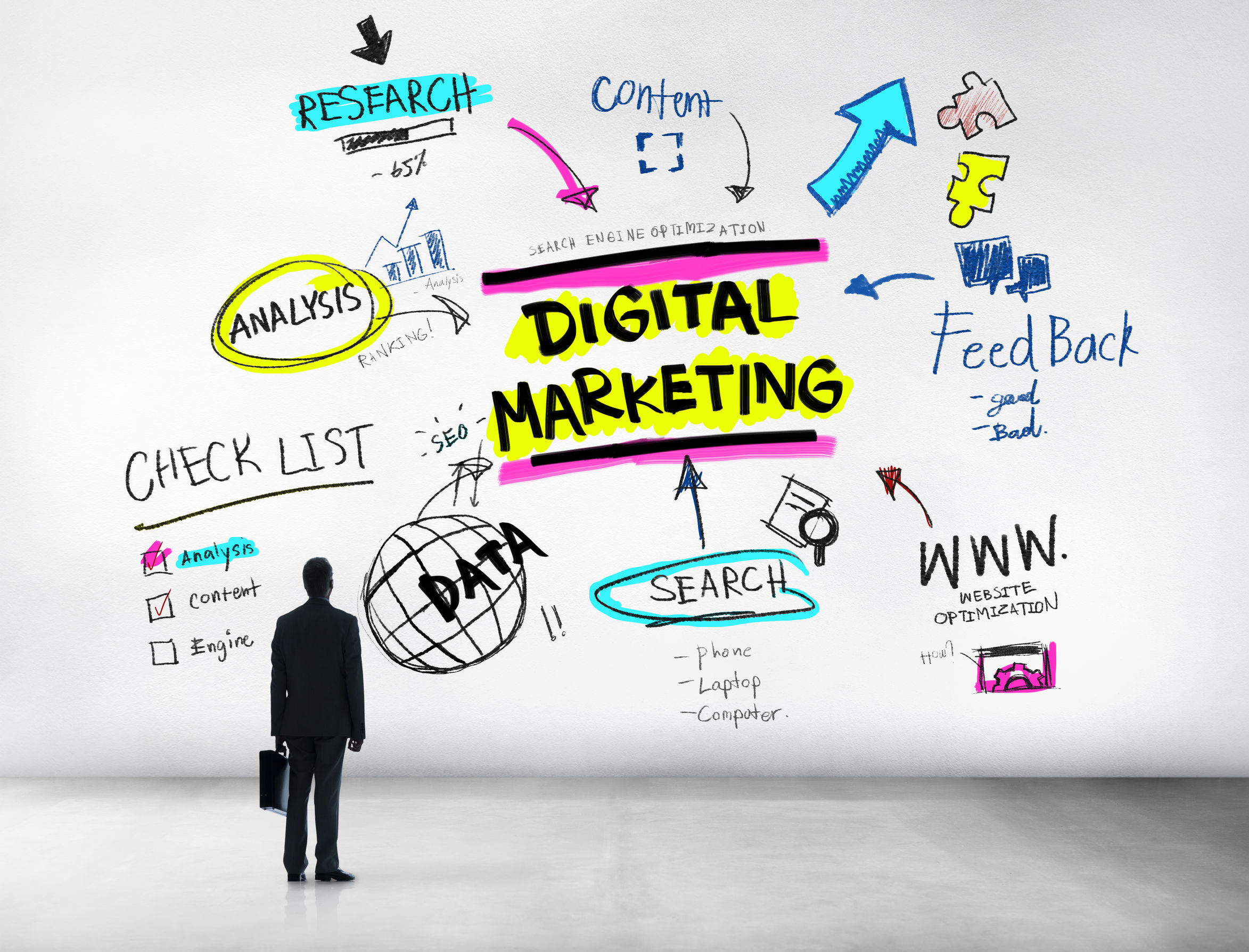
In today’s fast-paced digital world, brands are constantly seeking innovative methods to reach the right audiences at the right time. As online competition intensifies, harnessing cutting-edge advertising technology has become essential for businesses aiming to stand out. Increasingly, savvy marketers are turning to Programmatic Display as a go-to search phrase for those looking to maximize their digital marketing impact with precision and efficiency.
Understanding Programmatic Display Advertising
Programmatic display refers to the automated buying and selling of online ad space. This technology leverages sophisticated algorithms and real-time bidding (RTB) to deliver targeted ads to specific audiences across websites, apps, and digital platforms. Unlike traditional ad buying, which often involves manual negotiations and broad placements, programmatic display allows advertisers to reach highly defined segments based on demographics, interests, behaviors, and location.
The benefits of this approach are clear:
• Efficiency: Automated processes reduce the time and resources needed to launch and manage campaigns.
• Precision Targeting: Advanced data analytics ensure ads are shown to users most likely to engage.
• Real-Time Optimization: Campaigns can be adjusted on the fly for better performance based on live data.
• Scalability: Brands can scale campaigns quickly, reaching millions of potential customers across multiple channels.
Key Strategies for Brands
Adopting programmatic display strategies requires more than just technology—it demands a thoughtful approach tailored to the unique needs of American consumers. Here are some actionable strategies for brands to boost their digital marketing success:
1. Define Clear Audience Segments
The foundation of any effective programmatic campaign is understanding your target audience. Use first-party data, such as website analytics and customer profiles, combined with third-party data to create detailed audience segments. This allows for:
• Personalized messaging that resonates with each group
• Higher engagement rates and improved conversion potential
2. Utilize Dynamic Creative Optimization
Dynamic creative optimization (DCO) is a powerful feature of programmatic display that customizes ad content in real-time based on user data. By adjusting visuals, messaging, and calls-to-action according to a viewer’s preferences or behaviors, brands can:
• Deliver more relevant ad experiences
• Increase click-through and conversion rates
3. Embrace Cross-Device Targeting
Today’s consumers move seamlessly between devices—smartphones, tablets, desktops, and connected TVs. Effective programmatic display strategies ensure consistent messaging and targeting across all devices, leading to:
• Improved brand recall
• A cohesive customer journey from awareness to purchase
4. Monitor and Optimize Performance
Continuous monitoring is critical for maximizing the return on investment. Set clear key performance indicators (KPIs) and use real-time analytics to:
• Identify top-performing segments and placements
• Allocate budget to the most effective channels
• Adjust creative elements for better results
The Future of Digital Marketing
Programmatic display advertising is not just a trend, it’s shaping the future of digital marketing. As artificial intelligence and machine learning continue to evolve, brands can expect even greater capabilities for personalization and automation. Staying ahead of these advancements will help marketers deliver impactful campaigns that drive measurable business outcomes.
By embracing programmatic display strategies, brands can achieve more efficient, targeted, and scalable digital marketing efforts. Leveraging automation, data-driven insights, and personalized creative, businesses are well-positioned to connect with audiences in meaningful ways—ultimately boosting their marketing success in an ever-changing landscape.