Phoenix, Arizona, is known for its extreme weather conditions, which can have a significant impact on the health and longevity of your roof. From the scorching summer heat to monsoon storms, your roof faces numerous challenges throughout the year. Understanding how these weather conditions affect your residential roofing and what you can do to protect your home is essential in maintaining a durable roof that can withstand Phoenix’s climate.
The Impact of Extreme Heat on Your Roof
1. The Heat of Summer
Phoenix experiences some of the hottest temperatures in the country, especially during the summer months when temperatures can easily exceed 100°F (38°C). This relentless heat can take a toll on your roof, causing wear and tear over time.
Asphalt shingles, the most common roofing material in Phoenix, are particularly vulnerable to heat damage. Prolonged exposure to high temperatures can cause shingles to lose their flexibility, dry out, and crack. When shingles crack, they no longer provide the same level of protection against the elements, leaving your home vulnerable to leaks and water damage.
In addition to shingles, the intense heat can cause roof expansion and contraction, which leads to warping and cracking of roofing materials. If your roof isn’t properly ventilated, heat can become trapped in the attic, causing increased internal temperatures and accelerating wear on your roof’s materials.
2. UV Radiation and Roof Fading
Phoenix’s sunny days mean your roof is constantly exposed to ultraviolet (UV) radiation. Over time, UV rays can degrade roofing materials, particularly those that are darker in color. Asphalt shingles, for example, can begin to lose their color and protective granules, reducing their lifespan. Without these granules, your roof becomes more susceptible to damage from rain and hail.
To mitigate UV damage, you can consider applying a reflective coating to your roof or opting for lighter-colored roofing materials that reflect more sunlight, reducing heat buildup. This can help preserve your roof and reduce cooling costs by keeping your attic cooler.
The Impact of Monsoon Season
1. Intense Rain and Flash Flooding
Phoenix’s monsoon season, typically from June to September, brings intense rainstorms and flash floods. These storms often cause significant water damage to roofs, particularly when gutters and downspouts are clogged or improperly maintained.
Heavy rain can also expose weak spots in your roof, such as cracked shingles, damaged flashing, or poorly sealed areas around chimneys and vents. Once water enters the roof system, it can cause leaks that may lead to mold growth, structural damage, and costly repairs.
2. Wind and Debris
Monsoons in Phoenix are also accompanied by strong winds, which can lift shingles and other roofing materials. High winds can dislodge loose or damaged shingles, creating openings for rain to infiltrate your roof. Debris, such as tree branches, dirt, and rocks, can also be carried by the wind, potentially causing physical damage to your roof or even puncturing roofing materials.
A roof that has already suffered from the effects of heat and UV radiation may be more vulnerable to wind and debris during a monsoon. Regular roof inspections by a licensed roofing contractor can help identify areas of weakness before they are exposed to strong winds or falling debris.
The Importance of Regular Roof Maintenance
1. Preventive Inspections
To protect your roof from Phoenix’s extreme weather, regular roof inspections are essential. Hiring a licensed roofing contractor to inspect your roof annually can help identify minor issues before they become major problems. During the inspection, the contractor will check for signs of wear, such as cracked shingles, damaged flashing, or clogged gutters.
By catching these issues early, you can prevent water from infiltrating your roof, which can lead to leaks, mold, and structural damage. Inspections are especially important after a heavy monsoon storm, as they can help identify any damage caused by wind, rain, or debris.
2. Proper Roof Ventilation
Proper roof ventilation is key to minimizing the effects of heat in Phoenix. Without proper airflow, hot air can become trapped in your attic, increasing the temperature inside your home and leading to premature aging of roofing materials. A well-ventilated roof allows hot air to escape, helping maintain the longevity of your shingles and reducing energy costs.
A premier roofing company can help assess your roof’s ventilation system and recommend solutions to improve airflow and prevent heat buildup. Installing additional vents or upgrading the attic insulation can make a big difference in the roof’s ability to withstand extreme temperatures.
3. Roof Repairs and Replacements
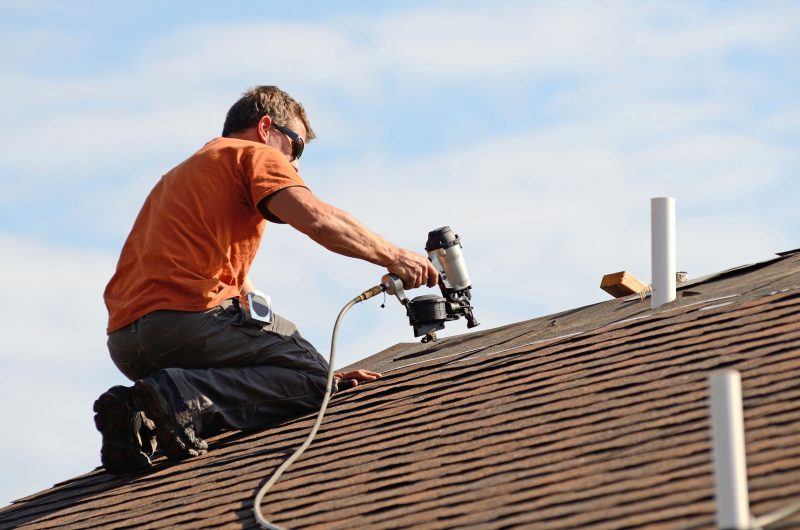
If your roof has been damaged by the elements, prompt repairs are essential to preventing further issues. Whether it’s repairing cracked shingles, fixing flashing, or replacing worn-out roofing materials, working with an experienced residential roofing contractor will help ensure your roof is restored to its optimal condition.
In some cases, if your roof has sustained significant damage over time, it may be necessary to replace the entire roof. While this is a more significant investment, replacing an old roof with new, more durable materials can provide long-term protection for your home and improve its energy efficiency.
How to Find a Trusted Roofing Professional
When looking for a licensed roofing contractor to help maintain or repair your roof, it’s important to do your research. Look for contractors who have experience with Phoenix’s unique weather conditions and who can offer personalized solutions to your roofing needs. Reviews, testimonials, and recommendations from friends and family can also help you find a trusted professional.
If you need help with roof repairs or replacement, consider reaching out to a premier roofing company like Valley Roofing & Repair. Their team of experts can assess your roof, provide necessary repairs, and offer guidance on the best roofing materials for Phoenix’s climate.