When considering the purchase or redevelopment of commercial property, understanding potential environmental risks is crucial. Many buyers and property managers turn to environmental site assessments to protect their investment and ensure regulatory compliance. Among these, a Phase 2 environmental site assessment in Oklahoma is a vital step that can reveal hidden hazards and liabilities affecting a property’s value and safety.
What Is a Phase 2 Environmental Site Assessment?
A Phase 2 environmental site assessment is an investigation that follows an initial Phase 1 assessment when there are indications of possible contamination or environmental concerns. While a Phase 1 review focuses on historical records, site visits, and interviews to identify potential risks, a Phase 2 assessment goes further by conducting physical testing and collecting samples from soil, groundwater, or building materials.
In Oklahoma, this process is particularly important due to the state’s history of industrial activity, oil and gas operations, and agricultural use. These activities can leave behind contaminants such as petroleum hydrocarbons, heavy metals, solvents, or pesticides that may not be immediately visible.
Key Property Risks Uncovered During a Phase 2 Assessment
A Phase 2 environmental site assessment in Oklahoma aims to provide clear answers about the presence and extent of contamination. The findings from this assessment can reveal several types of property risks:
• Soil Contamination: Sampling and laboratory analysis can identify hazardous substances in the soil, such as petroleum products or industrial chemicals, which may pose health risks and require remediation.
• Groundwater Pollution: Testing groundwater can uncover the presence of solvents, heavy metals, or other toxic substances that could migrate beyond property boundaries, potentially impacting neighboring properties or water supplies.
• Vapor Intrusion: Some contaminants can emit vapors that move through soil and enter buildings, presenting long-term health risks to occupants.
• Regulatory Compliance Issues: Identifying contamination may trigger mandatory reporting to state or federal agencies and require a management or cleanup plan.
• Financial Liabilities: Unaddressed contamination can reduce property value, complicate financing, or result in costly cleanup obligations for current or future owners.
The Assessment Process: What to Expect
A Phase 2 environmental site assessment typically involves several steps to ensure a comprehensive understanding of property conditions:
1. Work Plan Development: Environmental professionals design a sampling plan targeting areas of concern identified during Phase 1.
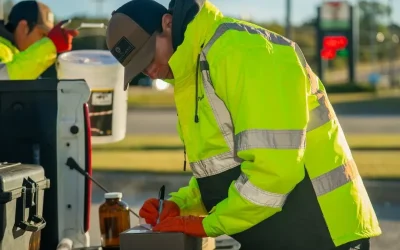
2. Sample Collection: Soil, groundwater, and sometimes air or building materials are sampled using specialized equipment.
3. Laboratory Analysis: Collected samples are tested for various contaminants based on regulatory standards and site history.
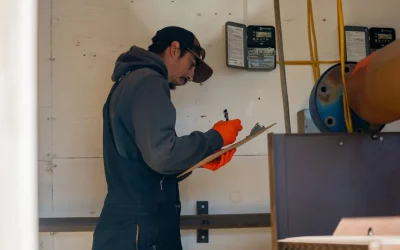
4. Data Interpretation: Results are evaluated by environmental experts to determine the type and extent of contamination.
5. Reporting: Findings are compiled into a detailed report, along with recommendations for further action if contamination is found.
Why a Phase 2 Assessment Matters in Oklahoma
Oklahoma’s environmental regulations and unique industrial legacy make Phase 2 assessments especially relevant. Properties with a history of gas stations, dry cleaners, manufacturing, or agricultural use often require scrutiny. A thorough assessment not only protects buyers from unexpected remediation costs but also ensures compliance with environmental laws, facilitating smoother real estate transactions and long-term site management.
Understanding the findings from a Phase 2 environmental site assessment helps property owners and investors make informed decisions. It provides a clear picture of environmental risks, enabling proactive measures to address contamination and minimize liability.
By recognizing the importance of environmental due diligence, stakeholders can safeguard their investments and contribute to a healthier community. For those considering a property transaction or redevelopment, consulting with environmental professionals ensures that all potential hazards are identified and managed. To learn more about comprehensive environmental site assessments and how they protect your property interests.