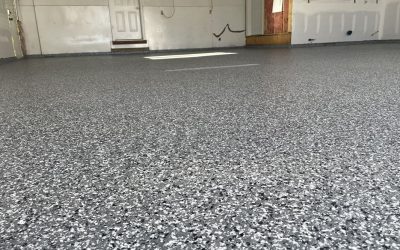
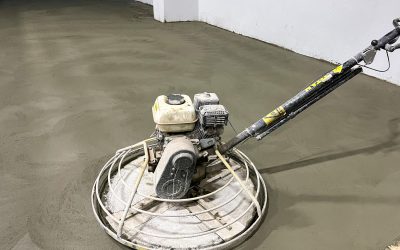
Homeowners planning a project in Surprise, AZ often search best flooring installation near me when they’re deciding how to sequence a remodel or finalize a new build. While the finished look might be similar, contractors typically approach custom flooring installation differently depending on whether the space is being renovated or built from the ground up. The difference comes down to site conditions, scheduling, substrate readiness, and how many other trades are involved at the same time.
What Changes Between Remodels And New Builds
The simplest way to think about it: remodel projects require working around existing conditions, while new builds require coordinating around construction timelines.
In a remodel, contractors may need to address demolition, uneven substrates, transitions into existing surfaces, and occupied-home logistics. In a new build, the structure is fresh, but the installation depends heavily on when the site is ready, whether moisture levels are stable, and whether other trades are finished enough to avoid damage after installation.
Both project types can produce excellent outcomes, but the planning checklist is different.
What Remodel Projects Usually Require Before Installation
Remodel work often starts with removing existing materials and discovering what’s underneath. Homeowners are sometimes surprised that the biggest time variable isn’t the product selection, it’s the prep.
Common remodel realities include:
- Demolition variables: Adhesive residue, old underlayment, or multiple layers can add labor and time.
- Substrate repairs: Older concrete slabs and subfloors can have cracks, dips, or high spots that must be corrected for long-term stability.
- Transitions into existing areas: If the project doesn’t cover every room, contractors need a clean transition where surfaces meet.
- Occupied-home constraints: Moving furniture, maintaining safe pathways, and keeping pets away from work zones can shape the schedule.
Because remodels involve more unknowns, a flooring installation contractor will typically emphasize evaluation and prep, then build the installation plan around what they find after removal.
What New Builds Usually Require Before Installation
New construction has fewer “surprises” from old materials, but it has its own risk: installing too early. In Surprise, AZ, temperature swings, concrete curing, and jobsite conditions can affect timing.
Key new build considerations include:
- Moisture readiness: Concrete slabs need appropriate curing time, and many installations require moisture testing before work begins. Installing over a slab that’s not ready can cause issues later.
- Trade coordination: Painters, trim carpenters, plumbers, and appliance installers can damage finished surfaces if installation happens before the site is truly ready.
- Dust control: Construction dust can interfere with adhesives, grout, and finishes if the environment isn’t controlled.
- Access and staging: Materials must be stored safely and acclimated as required, especially when the home is not yet climate-controlled.
In new builds, the best results often come from aligning installation with a realistic sequence, after heavy trades are complete, but before final touch-ups that require clean conditions.
How Subfloor Prep Differs By Project Type
Subfloor prep is important in both cases, but the starting point changes.
Remodel prep often focuses on correcting legacy issues:
- Removing old adhesive and residues
- Patching cracks or damaged areas
- Leveling dips and addressing high spots
- Reinforcing loose areas in older subfloors
New build prep often focuses on verification: - Confirming flatness tolerances for the selected material
- Moisture testing concrete slabs
- Ensuring expansion gaps and perimeter conditions are correct
- Confirming surfaces are clean and ready for adhesives or underlayment systems
When homeowners want custom flooring installation, this is where customization actually happens: the prep and method are adapted to the site, not just the style choice.
How Scheduling And Timelines Can Affect The Finish
Scheduling is one of the biggest practical differences between remodel and new build installations.
In remodels, timeline risks often come from:
- Delays in demolition or disposal
- Additional prep discovered after removal
- Homeowner schedule constraints (especially if living in the home)
In new builds, timeline risks often come from:
- Construction delays that compress the schedule
- Trades overlapping in the same spaces
- Pressure to install before site readiness (leading to avoidable damage)
A good installation timeline builds in the reality that prep compounds need curing time, adhesives may have set times, and finishing steps should not be rushed. If you’re comparing companies after searching best flooring installation near me, ask how the timeline is protected when the project hits a common delay point.
What Homeowners In Surprise, Az Should Ask Before The Work Starts
Whether it’s a remodel or a new build, these questions help align expectations and reduce surprises:
- What prep is included, and what would trigger additional leveling or patching?
- Will moisture testing be performed (especially on concrete)?
- What must be completed by other trades before installation can start?
- How will transitions be handled if only part of the home is updated?
- What protection plan is used if other work continues after installation?
- What maintenance routine fits the chosen material and household traffic?
Homeowners can also review planning details and installation expectations from an experienced flooring installation contractor to better understand what a professional scope typically includes for different project types.
How To Prepare Your Home Or Jobsite For A Smoother Installation
Preparation reduces downtime and helps protect the finished result.
For remodels:
- Clear pathways and remove fragile items from adjacent spaces
- Plan for pets and kids to stay out of work zones
- Decide in advance how adjacent surfaces and thresholds should look
For new builds:
- Confirm HVAC is operational when required for acclimation and curing
- Ensure heavy trades and messy work are complete
- Establish a protection plan for move-in and final punch items
In both cases, clear communication helps. The more the installer knows about your schedule, traffic patterns, and future plans (like furniture placement or pets), the more accurately they can plan a durable custom flooring installation.