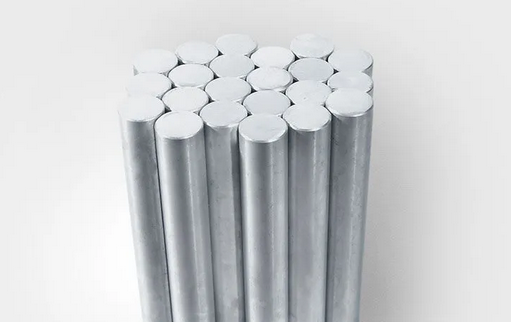
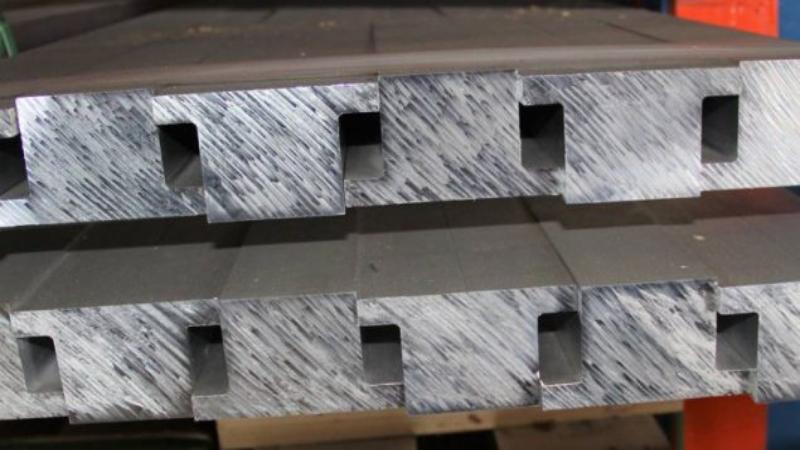
Securing a stable and high-quality supply of aluminum is crucial for success in both the construction and manufacturing industries. With aluminum playing a vital role in modern building systems, fabricated components, and industrial applications—thanks to its lightweight strength and corrosion resistance—contractors, manufacturers, and project managers must be strategic when sourcing this essential material. Many professionals begin their search online with queries such as aluminum distributors, seeking partners who can meet demanding specifications and production timelines.
Understanding Your Project or Production Needs
Before reaching out to potential suppliers, it is important to clearly define your requirements. Consider the following:
- Type of Aluminum: Do you need extrusions, sheets, plates, or fabricated components?
- Quality Standards: Are specific grades, certifications, or tolerances required for construction or manufacturing use?
- Volume and Frequency: Will this be a one-time bulk order, a recurring production supply, or phased project delivery?
- Delivery Timelines: Are there tight schedules tied to job sites or production runs?
A well-defined scope ensures clear communication and helps distributors assess their ability to support your operation.
Key Criteria for Selecting a Distributor
When evaluating options, several criteria can help identify the right supplier for construction and manufacturing needs:
1. Product Range and Availability
Choose a distributor with a comprehensive inventory capable of supporting both project-based construction demands and ongoing manufacturing requirements. A broad product range reflects a well-established supply chain and reduced risk of delays.
2. Reliability and Reputation
Research the distributor’s experience serving construction firms and manufacturers. Look for:
- Positive reviews and testimonials from commercial or industrial clients
- Proven relationships with mills and manufacturers
- Transparent policies on lead times, quality control, and order fulfillment
3. Quality Assurance
Consistent material quality is critical in both structural and production environments. Ensure the distributor follows industry standards and can provide certifications. Ask about inspection processes and handling of non-conforming material.
4. Logistics and Delivery Capabilities
On-time delivery is essential for job sites and manufacturing schedules alike. Evaluate:
- Delivery coverage to facilities or construction locations
- Order tracking and shipment visibility
- Performance history for meeting deadlines
5. Customer Support and Technical Expertise
Distributors with experienced teams can add value by supporting material selection, fabrication considerations, and compliance needs for both construction and manufacturing applications.
Questions to Ask Potential Distributors
To confirm fit, consider asking:
- What are your typical lead times for standard and cut-to-size orders?
- How do you support urgent construction or production-driven requests?
- Can you provide references from manufacturing or construction clients?
- What quality controls are in place to ensure consistency?
- Do you offer flexible order quantities or long-term supply programs?
Making the Final Selection
After gathering information, compare distributors based on reliability, flexibility, and their understanding of construction and manufacturing workflows. A dependable aluminum distributor helps streamline procurement, reduce downtime, and support long-term project and production success.
Final Thoughts
Choosing the right aluminum distributor requires careful evaluation of inventory, quality assurance, logistics, and technical support. By selecting a partner equipped to serve both construction and manufacturing demands, businesses can secure a reliable aluminum supply and keep projects and production moving efficiently across the USA.