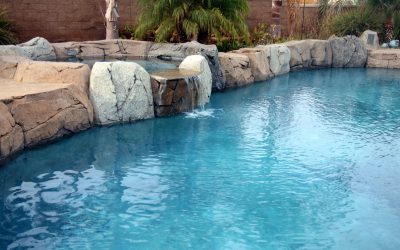
Maintaining the aesthetic and structural integrity of your pool is essential to ensuring a long-lasting investment. One of the key areas that often require attention is the pool tiles. Over time, pool tiles can accumulate mineral buildup, stains, or even crack and loosen due to wear and tear. Regular restoration and repair can help to rejuvenate these tiles, improving both the pool’s appearance and its overall functionality.
We will take you through the pool tile restoration process from start to finish, focusing on why it’s an essential part of pool maintenance in Buckeye, AZ. We will also explore the significance of pool tile repair and cleaning services in maintaining your pool’s beauty and efficiency.
The Pool Tile Restoration Process: From Start to Finish
Pool tile restoration goes beyond mere cleaning; it involves repairing, rejuvenating, and protecting your tiles from further damage. Regular restoration helps maintain the structural integrity of your pool, ensuring that it not only looks great but also remains safe to use. The process, provided by Vistancia Premier Pool Tile Cleaning, also addresses common issues like calcium buildup, stains, and cracked tiles, which can lead to further damage if left untreated.
Restoring your pool tiles is essential for:
- Enhancing the aesthetic appeal of your pool by removing stains and buildup.
- Extending the lifespan of your pool by preventing cracks and water seepage.
- Improving overall safety by ensuring loose tiles do not cause injuries.
In this article, we will walk through the steps involved in pool tile restoration, from initial inspection to the final polishing, explaining how Vistancia Premier Pool Tile Cleaning ensures your pool remains in pristine condition.
Step 1: Inspection and Assessment
The first step in pool tile restoration is a thorough inspection. This allows professionals to assess the extent of the damage, such as stains, calcium buildup, cracked tiles, or loose grout. Experts at Vistancia Premier Pool Tile Cleaning examine the condition of your pool tiles to determine the best course of action for restoration and repair.
During this stage, specialists may:
- Check for cracks or chips in the tiles.
- Inspect grout and ensure that it’s intact.
- Identify areas with significant calcium buildup or staining.
The inspection helps professionals decide on the most effective cleaning methods and whether tile repairs are necessary.
Step 2: Cleaning and Removing Buildup
Once the inspection is complete, the next step is cleaning the tiles. Over time, pool tiles accumulate oils, algae, and calcium deposits, which can result in unsightly stains or a dull appearance.
Vistancia Premier Pool Tile Cleaning uses high-quality cleaning agents and specialized tools to remove dirt, algae, calcium buildup, and other stains. This process typically involves:
- Scrubbing the tiles with effective, safe cleaning solutions that break down mineral deposits.
- Using acid-based treatments to tackle stubborn calcium buildup without damaging the tiles.
- Power washing or pressure washing for thorough cleaning, especially in hard-to-reach areas.
After cleaning, your pool tiles will look brighter, fresher, and free from stains, ready for the next steps in the restoration process.
Step 3: Tile and Grout Repair
After the tiles are cleaned, the next step in the restoration process is tile and grout repair. Over time, tiles may crack, chip, or loosen due to water exposure and chemicals. The grout, which holds the tiles in place, can also deteriorate, leading to gaps and potential water seepage.
Tile repair is a crucial part of the restoration process and typically includes:
- Replacing cracked or broken tiles: If any tiles are beyond repair, they are replaced with new tiles that match the existing design.
- Regrouting: When grout deteriorates, it is removed and replaced with fresh grout to ensure the tiles remain secure and to prevent water from seeping underneath.
- Sealing: After the tiles and grout are repaired, professionals often apply a sealant to protect the tiles from future staining and damage. Sealing helps lock out moisture, preventing mold or algae growth, which is common in humid, wet environments like pools.
Step 4: Final Touches and Polishing
After all repairs are completed, the final step in the restoration process is polishing the tiles. This not only restores the tiles’ original shine but also gives the pool a pristine, finished look. Specialized polishing agents are used to smooth the surface of the tiles and enhance their color and texture.
Polishing also provides an additional layer of protection against future staining and damage. This final touch leaves the tiles with a sleek, glossy finish, making your pool look inviting and visually appealing.
Step 5: Ongoing Maintenance and Care
While the restoration process breathes new life into your pool tiles, ongoing maintenance is necessary to keep them in great condition. Regular cleaning and timely repairs are key to maintaining the longevity of your tiles and avoiding more serious damage down the road.
Here are a few maintenance tips to keep your pool tiles in top shape:
- Maintain proper water chemistry: Keeping your pool’s water chemistry balanced helps prevent calcium buildup and other mineral deposits from forming on the tiles.
- Regularly clean the tiles: Routine cleaning with safe, non-abrasive cleaners can remove dirt and algae before they have a chance to stain the tiles.
- Inspect tiles periodically: Regularly check the condition of your tiles and grout to catch potential issues early, reducing the need for costly repairs.
By following these simple steps and incorporating pool tile restoration into your annual pool care routine, you ensure that your pool remains in excellent condition year-round.
For expert pool tile restoration and ongoing maintenance services in Buckeye, AZ, visit Vistancia Premier Pools. Their professional team is dedicated to keeping your pool looking great and functioning safely, no matter the season.