When it comes to protecting your home and your family’s health, understanding the risks of mold is essential. Many homeowners in Georgia are concerned about indoor air quality and the impact mold can have on their living spaces. Searching for “Mold Inspection Macon, GA,” is a common first step for those who want to ensure their homes remain safe and healthy. Knowing what to expect from a professional mold inspection can help you feel prepared and confident throughout the process.
The Mold Inspection Process: Step by Step
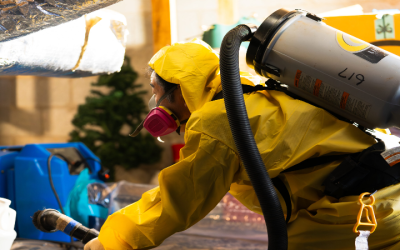
A mold inspection is a thorough examination of your property to identify potential mold growth, sources of moisture, and hidden problem areas. Here’s how a standard inspection typically unfolds:
1. Initial Assessment: The inspector starts with a detailed discussion about your concerns, any visible signs of mold, and areas of the home that have experienced water issues. This helps pinpoint focus areas during the inspection.
2. Visual Inspection: Using specialized equipment such as moisture meters and thermal imaging cameras, the inspector visually checks for signs of water damage, leaks, or visible mold growth throughout the property.
3. Air and Surface Sampling: If mold is suspected but not visible, samples may be collected from the air or surfaces. These are sent to a laboratory for analysis to determine the type and concentration of mold spores present.
4. Identifying Moisture Sources: Mold needs moisture to grow. Inspectors look for plumbing leaks, roof leaks, condensation, or poor ventilation that could be contributing to mold problems.
5. Comprehensive Report: After the inspection, you receive a detailed report outlining findings, lab results, and recommended next steps for remediation if necessary.
What Mold Inspectors Look For
Mold inspectors are trained to spot both obvious and subtle signs of mold and water intrusion. During a mold inspection, professionals typically look for:
• Water stains on walls, ceilings, and floors
• Musty odors or damp smells
• Peeling paint or wallpaper
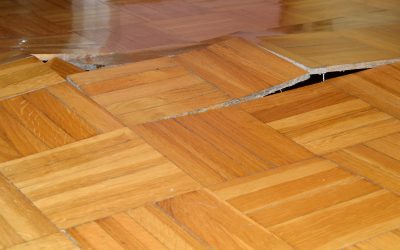
• Warped or buckled flooring
• Mold growth in HVAC systems, basements, attics, or crawl spaces
They also assess humidity levels and check less accessible areas where mold often hides, such as behind drywall or under carpets.
Why Professional Mold Inspection Matters
Attempting to address mold on your own can lead to incomplete removal and recurring issues. A professional inspection ensures:
• Accurate identification of mold sources
• Comprehensive assessment of affected areas
• Unbiased recommendations for remediation
• Peace of mind knowing your home’s environment is safe
In addition to health concerns, mold can cause structural damage to your property if left untreated. Timely inspection and intervention can prevent costly repairs down the road.
Understanding what to expect from a mold inspection helps homeowners make informed decisions about their property’s health. A thorough inspection provides valuable insights into potential risks and ensures any necessary remediation is targeted and effective.
If you suspect mold in your home or have experienced recent water damage, seeking a mold inspection is a wise first step. For more information on how this process works and to schedule your inspection, visit mold inspection.
Protect your home and your loved ones by staying proactive—schedule a professional mold inspection and breathe easier knowing your indoor air is safe.