In Goodyear, AZ, drivers think a lot about vehicle readiness—especially when summer temperatures push past triple digits. Most attention goes to tires and air conditioning, but braking performance is just as dependent on heat management. Brakes convert motion into heat every time a vehicle slows down. In hotter climates and demanding driving patterns, that heat can build faster and place greater stress on the brake system.
Understanding how heat affects braking helps drivers make smarter decisions about brake service, brake repair timing, and long-term brake system maintenance. The goal isn’t to worry drivers or encourage assumptions—it’s to explain why professional inspections and routine care matter more in Arizona than many people realize.
Brakes Are Designed to Handle Heat—But Only Within Limits
Every time the brake pedal is pressed, the system creates friction to slow the vehicle. That friction generates heat in the pads, rotors, and related components. Under normal conditions, the system sheds heat between stops and stays within an expected operating range.
In Arizona, two things can reduce that margin:
- Higher ambient temperatures mean the system starts hotter and cools down more slowly.
- Repeated braking—in traffic, on hills, or with heavy loads—creates heat faster than it can dissipate.
When heat buildup becomes excessive, braking can feel less consistent. That doesn’t automatically mean the brakes are “bad,” but it can indicate the system is working harder than usual and may need evaluation.
What Heat Can Change in Real-World Braking Performance
Heat affects braking in several practical ways. Drivers may notice changes in feel or predictability—especially during long drives or busy traffic.
1) Longer stopping distances under repeated braking
As components get hotter, they may not grip as effectively as when cool. That can reduce confidence during back-to-back stops.
2) Brake fade-like sensations
Some drivers describe a “less responsive” feeling after repeated braking—particularly in heavy traffic or downhill driving. This can be linked to heat’s impact on friction materials and brake fluid behavior.
3) Increased wear rates
Higher temperatures can accelerate pad and rotor wear. Heat can also contribute to glazing or uneven friction surfaces over time, which can affect smooth braking.
4) Vibrations or uneven braking feel
Heat cycling can sometimes amplify uneven wear patterns. If a driver feels pulsation, shaking, or inconsistent braking, a professional inspection helps determine the cause and appropriate next step.
These issues are not meant to encourage self-diagnosis. The point is that heat can influence braking even before a clear “failure” occurs—which is why brake system maintenance is so valuable.
Goodyear Driving Patterns That Increase Brake Heat
Brake heat isn’t only about weather. Driving habits and local conditions also matter. In Goodyear, common situations that can increase brake heat include:
- Stop-and-go commutes and busy intersections
- School pickup lines and frequent low-speed braking
- Highway off-ramps with quick deceleration
- Weekend travel with heavier passenger/cargo loads
- Mountain or hill driving where braking is sustained for longer periods
Even if none of these happen daily, a few high-demand days can add noticeable stress—especially when combined with extreme heat.
The Role of Brake Fluid in Heat Management
Brake pads and rotors usually get the spotlight, but brake fluid is also a key player. Brake fluid transfers pedal force through the hydraulic system so brakes apply smoothly and predictably.
Heat matters here because brake fluid condition affects how the system responds under stress. Over time, brake fluid can absorb moisture, which lowers its boiling point. Under high heat and repeated braking, this can reduce braking consistency.
Routine brake system maintenance often includes evaluating brake fluid condition and recommending service intervals based on the vehicle and usage. It’s one of the most overlooked factors in maintaining predictable braking performance in hot climates.
What Professional Brake Service Typically Evaluates
A quality brake service visit goes beyond a quick look. While the exact checklist varies by vehicle, professional evaluations typically include:
- Brake pad thickness and wear pattern
- Rotor condition (surface wear, scoring, heat spots, or unevenness)
- Caliper operation and hardware condition
- Brake fluid level and condition
- Brake lines and hoses for signs of leaks or wear
- Parking brake function (where applicable)
- Test drive insights to assess braking feel and consistency (when appropriate)
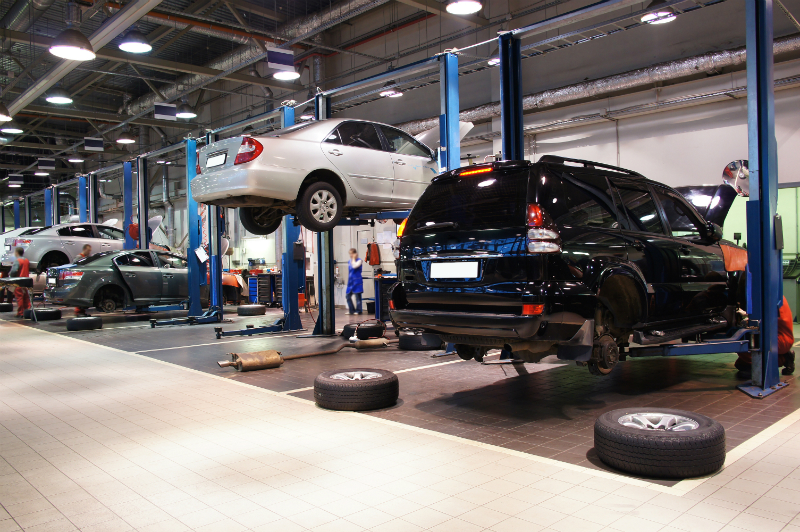
This is where professional brake repair decisions become more accurate. Rather than replacing parts based on guesswork, the service process identifies what is actually worn, what may be contributing to heat buildup, and what can be planned for later.
Why Proactive Maintenance Is Often Cheaper Than Reactive Repair
Heat-related stress doesn’t always create immediate symptoms, but it can accelerate wear. Addressing braking needs early can help drivers:
- Avoid metal-on-metal wear that damages rotors
- Reduce the chance of uneven wear leading to vibration
- Maintain consistent stopping performance in traffic
- Prevent small hardware issues from turning into larger brake repair needs
Because brakes are a safety-critical system, timing matters. Proactive brake system maintenance helps keep a stable performance baseline, especially during the hottest months.
For drivers looking for a reliable starting point for maintenance planning, it can be helpful to reference guidance from a trusted automotive company like Champs Family Automotive, where they outline professional service support and inspection-based care.
A Practical Goodyear Approach to Brake Health in the Heat
In Goodyear, AZ, heat is a constant variable. Brakes are engineered to manage it, but driving conditions can push the system harder than many drivers realize. The best strategy isn’t to wait for a problem to become obvious—it’s to keep brake service and brake system maintenance consistent so performance stays predictable.
When brakes are inspected regularly and serviced based on condition, drivers are more likely to experience smoother stopping, better confidence in traffic, and fewer surprises when Arizona temperatures are at their peak.