Footwear plays a bigger role in foot health than most people realize. In Phoenix, AZ, where sandals, athletic shoes, and work footwear are worn year-round, everyday shoe choices can quietly contribute to long-term foot issues. Many people begin searching for the best podiatrist only after discomfort becomes disruptive, not realizing that subtle problems often develop much earlier.
Understanding how shoes affect foot structure can help prevent chronic pain and preserve mobility over time.
How Shoes Influence Foot Mechanics
Each step places pressure across the foot’s joints, muscles, and ligaments. Shoes that limit natural movement or alter weight distribution can slowly change how the feet function.
Footwear that is too narrow, overly rigid, or lacking proper support may shift pressure toward the toes, arches, or heels. Over time, these altered mechanics can strain joints and soft tissues, setting the stage for chronic conditions that often require evaluation by a podiatrist.
Narrow Toe Boxes and Joint Stress
Shoes with a tight or tapered toe area compress the toes and restrict natural alignment. This pressure can lead to joint irritation, reduced flexibility, and structural changes that worsen over time.
In warm climates like Phoenix, people often size down or choose slimmer shoes for comfort or style. Unfortunately, even mild compression, when experienced daily, can affect balance and increase forefoot stress.
Flat Soles and Reduced Shock Absorption
Shoes with thin or inflexible soles limit the foot’s ability to absorb impact. When shock is not properly dispersed, stress transfers to the heels, arches, and ankles.
Extended exposure to hard surfaces, such as sidewalks and parking lots, increases impact forces. Without adequate cushioning or support, foot tissues may become strained, leading to persistent discomfort that often prompts a search for a podiatrist clinic near me.
Overly Soft Shoes and Stability Loss
While soft shoes may feel comfortable initially, they can sometimes lack the structure needed to support proper foot motion. Excessive flexibility can allow the foot to collapse or roll unevenly during movement.
This instability places additional strain on joints and tendons, potentially contributing to fatigue, imbalance, and alignment concerns that worsen with activity.
High Heels and Altered Weight Distribution
Elevated heels shift body weight forward, increasing pressure on the forefoot and toes. Even moderate heel height can change joint mechanics when worn frequently.
Prolonged use may affect posture, balance, and joint flexibility. Over time, these changes increase the likelihood of pain and deformity, especially in individuals who spend long hours standing or walking.
Repetitive Footwear Habits Matter
Foot issues rarely develop overnight. Most problems build gradually as the result of repetitive stress. Wearing the same type of shoe daily, without variation, can amplify pressure points and limit recovery.
Rotating footwear, choosing styles with adequate room and support, and paying attention to end-of-day discomfort can offer early clues that shoes may be contributing to underlying problems.
Early Signs That Shoes Are Causing Problems
Certain symptoms suggest footwear may be influencing foot health:
- Consistent soreness after daily wear
- Redness or pressure marks around joints
- Reduced toe flexibility or stiffness
- Callus development in the same areas
- Increased fatigue in feet or ankles
Ignoring these warning signs can allow minor issues to progress into conditions requiring professional assessment.
When Evaluation Becomes Important
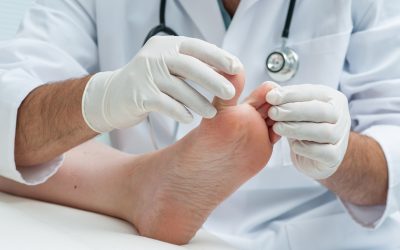
If discomfort persists despite footwear changes, evaluation from a podiatrist can help identify mechanical stress patterns and structural concerns. This is often why people begin searching for the best podiatrist or a podiatrist clinic near me, to gain clarity on what is causing symptoms beneath the surface.
Clinical assessment focuses on alignment, movement patterns, and pressure distribution rather than surface discomfort alone.
Footwear Education as Preventive Care
One of the most effective ways to protect long-term foot health is learning how to choose appropriate footwear for different activities. Understanding fit, support, and material flexibility helps reduce strain and preserve joint function.
Resources that emphasize trusted foot treatment often include guidance on footwear habits as part of broader foot health education. Clinics such as Valley Foot Care, Inc. in Phoenix focus on identifying contributing factors and helping individuals understand how daily choices affect their feet.
Why Footwear Awareness Matters in Phoenix
Active lifestyles, extended walking, and year-round outdoor activity make footwear decisions especially important in Phoenix. Paying attention to small discomforts and making timely adjustments can prevent larger issues later.
By recognizing how everyday shoes influence foot mechanics, individuals can take proactive steps to protect mobility, reduce pain, and avoid long-term complications.