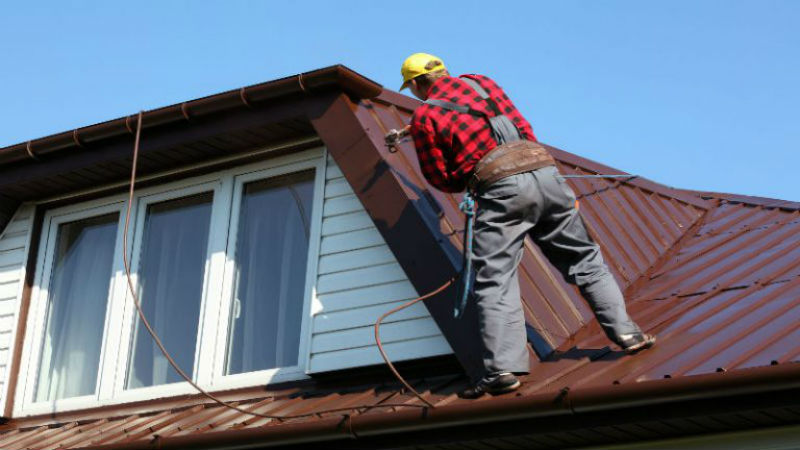
When it comes to new roof installation, many homeowners may feel overwhelmed by the process. Whether you’re installing a roof for a new home or replacing an old one, it’s essential to understand what happens during the installation process. Knowing what to expect can help ease your mind and ensure the job is done efficiently and correctly.
In this guide, we will walk you through the typical steps involved in roof replacement and installation, as well as tips for selecting the best roof installation company. We’ll also explore what makes working with a reliable roofing contractor so important to the success of your project.
1. Initial Consultation and Roof Assessment
The first step in any new roof installation is an initial consultation with a reliable roofing contractor. During this phase, the contractor will assess the current condition of your roof (if replacing an existing one) or evaluate the needs of your new roof project. They will consider factors such as your home’s size, roof type, materials, and any potential challenges specific to your home or region in Surprise, AZ.
What Happens During the Consultation:
- Roof inspection: The contractor will inspect the existing roof (if applicable) for any signs of damage or wear, including leaks, damaged shingles, or structural issues.
- Material selection: Together, you will choose the type of roofing material best suited for your home. Common options include asphalt shingles, metal, tile, and more.
- Cost estimate: You will receive a detailed cost estimate that includes materials, labor, and any other associated costs, such as permits or disposal fees.
By the end of this consultation, you should have a clear understanding of the scope of work and the timeline for your roof replacement and installation project.
2. Preparing Your Home and Roof for Installation
Once the consultation is complete and you’ve agreed on the project details, it’s time to prepare for the installation. This stage typically involves some preparatory work to ensure the installation process goes smoothly.
Preparation Steps Include:
- Removing the old roof (if applicable): For roof replacement and installation, the first task is usually to tear off the old roof. This can take some time, especially if there are multiple layers of roofing.
- Protecting the surroundings: The installation team will take steps to protect your landscaping, gutters, windows, and exterior of your home from debris and damage. This includes using tarps or protective coverings.
- Setting up scaffolding or ladders: If your roof is steep or particularly high, scaffolding or additional safety measures may be needed to ensure a safe and efficient installation.
Proper preparation helps minimize the risk of damage during the installation process and sets the stage for a smooth installation.
3. Roof Installation Process
Once everything is prepared, the installation team will begin the actual new roof installation process. This phase typically involves several steps to ensure the roof is structurally sound and provides the necessary protection for your home.
Key Installation Steps:
- Installing the underlayment: The first layer installed is the underlayment, which acts as a barrier against water, moisture, and wind. This layer is essential for preventing leaks and protecting your home’s interior.
- Laying down the roofing material: After the underlayment is in place, the roofing material (such as shingles, tiles, or metal panels) is installed. This can involve overlapping materials, securing them with nails or screws, and ensuring proper alignment.
- Sealing the roof: The contractor will seal any joints or seams to prevent water penetration. This is especially important in areas with heavy rainfall or snow, such as Surprise, AZ.
- Installing flashing and vents: Flashing is installed around chimneys, skylights, and other roof penetrations to ensure water doesn’t seep in. Vents are also installed to help with airflow and prevent moisture buildup in the attic.
4. Quality Control and Final Inspection
Once the roof is fully installed, the final step is a thorough inspection to ensure everything is done correctly. This inspection will verify that the roofing materials are properly installed, sealed, and that all components, such as flashing and vents, are functioning as intended.
Inspection and Testing:
- Visual inspection: The contractor will visually inspect the roof to ensure there are no gaps, misaligned shingles, or any other issues that could lead to problems in the future.
- Leak testing: In some cases, contractors may test the roof for leaks to ensure the installation is watertight.
- Cleanup: The installation team will clean up any debris, nails, or roofing materials left behind, leaving your property looking as good as new.
5. Warranty and Maintenance
After the new roof installation is complete, your contractor should provide you with a warranty that covers both the materials and the labor. It’s important to understand the terms of the warranty, including what is covered and for how long. Many roofing materials, such as metal or asphalt shingles, come with warranties that last 20 years or more.
Ongoing Maintenance:
While metal roofs and other materials require minimal maintenance, it’s still important to schedule regular inspections to ensure that your roof remains in good condition. A reliable roofing contractor can provide annual or bi-annual inspections and offer maintenance services, such as cleaning gutters and checking for damage after storms.
Schedule Your Roof Installation Today
Choosing the best roof installation company for your new roof installation is crucial to ensuring a smooth and successful project. If you’re in Surprise, AZ, and are looking for a professional and reliable roofing contractor, contact All About Roofing to schedule a consultation today. Their team of experts will guide you through the installation process, from consultation to final inspection, ensuring your home is protected with a high-quality roof.